Cataracts are regarded as one of the most frequent causes of vision problems, especially as people get older. They develop when the natural lens inside the eye becomes cloudy, causing blurred or hazy vision, glare, difficulty seeing at night, and faded colours.
A common question is: Can cataracts be removed without surgery?
The short answer is no. Currently, there are no effective medicines, eye drops, exercises, or alternative remedies for solving cataract problems that can help eliminate cataracts. Surgical intervention is the only effective method of treating cataracts by removing a cloudy natural lens and replacing it with an artificial intraocular lens.
Nevertheless, if the cataract is mild and does not impact your daily life in any meaningful way, then there is no need to treat it right away. Regular eye examinations and appropriate vision correction can help manage the condition while it is being monitored.
A cataract occurs when the eye's natural lens clouds over. The lens normally focuses the light on the retina and allows for correct vision.
As the lens becomes cloudy, the light does not pass through it correctly anymore. This can gradually affect vision.
Common cataract symptoms include:
The development of cataracts is typically gradual that is why it may be difficult for some people to recognize significant changes at the beginning stages.
An established cataract cannot currently be removed without a procedure.
Some medicines, supplements, eye drops, and traditional remedies are promoted as ways to dissolve or reverse cataracts. Nonetheless, there is no definitive treatment capable of making the cloudy lens clear.
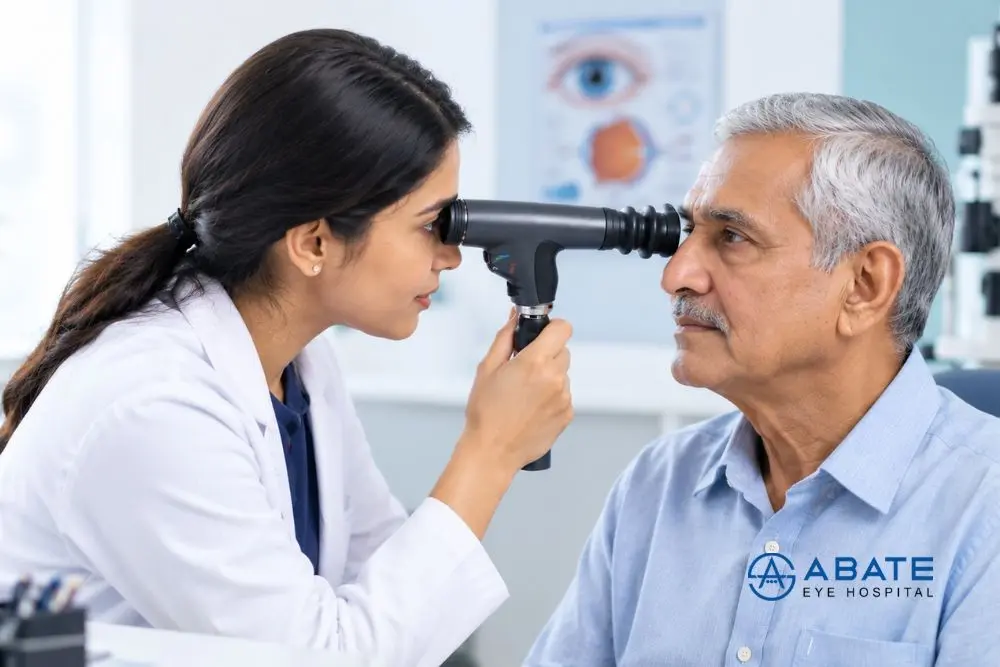
If your vision issues are caused by cataracts, you should see an ophthalmologist. They will assess the severity of your condition and determine whether you require treatment.
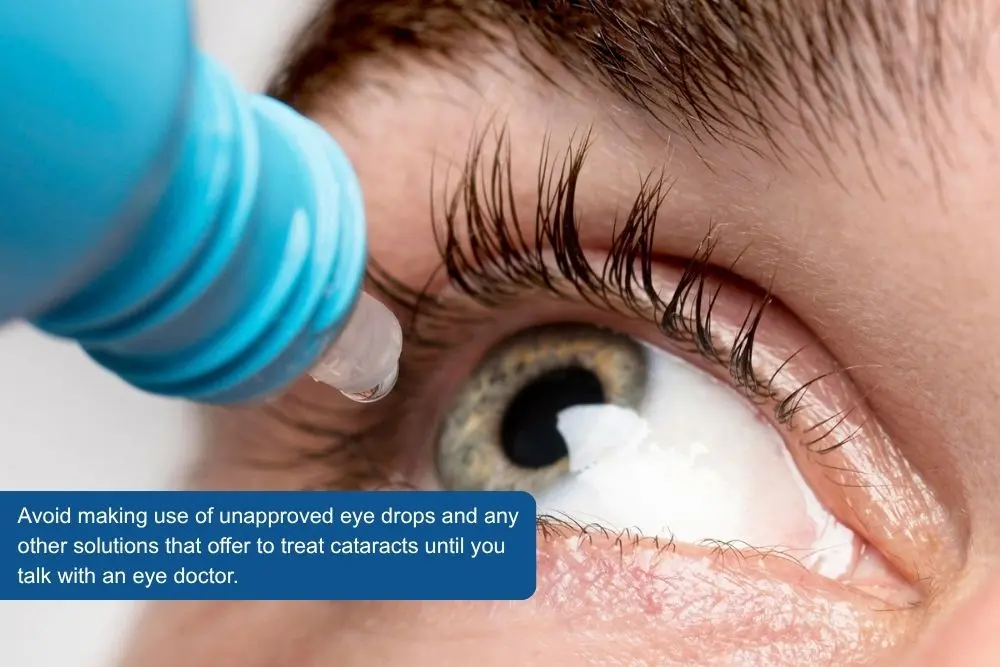
You may come across products claiming that special eye drops can dissolve cataracts. These claims should be approached cautiously.
Currently, cataract surgery is considered to be the most common technique for getting rid of cataracts. Avoid making use of unapproved eye drops and any other solutions that offer to treat cataracts until you talk with an eye doctor.
Surgery is the only way to eliminate cataracts; however, in some cases of early cataracts, it may be feasible to manage them without having surgery, permitting that it doesn't have an adverse effect on the person’s daily life.
Your eye doctor may recommend:
This includes several measures to allow the person to see easily, but it does not cure or stop the disease.
The person needs to have a proper diet to maintain eye health. Foods containing nutrients such as vitamins C and E, lutein, zeaxanthin, and other antioxidants can be part of a balanced diet.
However, dietary changes cannot remove an existing cataract.
A balanced diet, regular exercise, not smoking, managing conditions such as diabetes, and protecting your eyes from excessive ultraviolet exposure may support overall eye health and may help reduce certain risk factors.
Avoid taking high-dose supplements specifically for cataract treatment unless recommended by your doctor.
A cataract does not always require immediate surgery. Different types of cataracts develop at different rates and, therefore, the treatments can be thought over how they affect vision and daily life of the person.
However, as a cataract progresses, you may experience increasing difficulty with:
Your ophthalmologist is capable of assessing the necessity for treatment taking into account multiple factors, such as your visual acuity, symptoms, health of your eyes, and lifestyle.
Cataract surgery may be recommended when the cataract begins to interfere with your normal activities or when vision cannot be adequately improved with glasses.
The symptoms of the disease and its impact on the everyday activities of a patient need to be considered when deciding on cataract surgery.
A minor incision approach is used in advanced cataract surgery.
For patients seeking cataract surgery in Chennai, Malappuram, Calicut and Kannur at Abate, the cloudy natural lens is carefully removed and replaced with an intraocular lens (IOL) selected based on the patient's eye measurements and visual needs.
Depending on the patient's eye condition and suitability, different types of IOLs may be considered.
Before surgery, the ophthalmologist performs detailed eye measurements and discusses the available lens options with the patient.
Yes. Presently, surgery is the procedure of choice for removing a cataract.
There is an important distinction between managing cataract symptoms and removing the cataract. Eyeglasses, better lighting, lifestyle changes and continuous check-ups can assist in managing early symptoms, but they can’t remove a cataract.
Some cataracts can’t be prevented, particularly age-related cataracts. However, some healthy habits may help protect your eyes.
Wear sunglasses that provide appropriate UV protection when spending extended periods outdoors.
Conditions like diabetes can increase the risk of certain eye problems. Follow your doctor's recommendations for managing existing health conditions.
Smoking is associated with an increased risk of cataracts and several other eye conditions.
Include a variety of fruits, vegetables, whole grains, and other nutrient-rich foods as part of a balanced diet.
Regular eye checkups can help detect cataracts and other eye conditions early, even before significant symptoms develop.
If you notice gradually worsening vision, glare, halos, difficulty seeing at night, or frequent changes in your glasses prescription, schedule an eye examination.
You should seek urgent medical attention for sudden vision loss, severe eye pain, significant redness, sudden flashes or floaters, or a curtain-like shadow across your vision. These symptoms may indicate problems other than a routine cataract.
At Abate Eye Hospital, the best eye hospital in Calicut, Malappuram, Kannur and Chennai, patients can undergo a comprehensive eye examination to determine whether a cataract is affecting their vision and whether surgery is appropriate.
The ophthalmology team at Abate can assess the condition of the eye, discuss suitable treatment options, and help patients understand the available intraocular lens choices.
If you are experiencing cloudy or blurred vision, an eye examination can help identify whether cataracts or another eye condition is responsible.
A cataract does not come back after it has been removed, because the cloudy natural lens is replaced with an artificial intraocular lens (IOL). However, some patients may develop posterior capsule opacification (PCO) months or years after surgery. This can cause blurred or hazy vision and is sometimes referred to as a “secondary cataract,” although it is not a new cataract. If you still have doubts about whether cataracts come back after cataract surgery, you can read our blog.
PCO can usually be treated with a quick YAG laser capsulotomy, which creates a clear opening in the cloudy capsule and helps restore vision. If you notice blurred vision or other changes after cataract surgery, an ophthalmologist can determine the cause and recommend appropriate treatment.
No. An established cataract does not naturally disappear. Cataracts generally progress over time, although the rate of progression varies between individuals.
Currently, there is no established eye drop treatment that can remove an existing cataract. Cataract surgery remains the standard treatment for removing the cloudy lens.
No proven natural treatment can reverse an established cataract. A healthy lifestyle can support overall eye health but cannot make a cloudy lens clear again.
If the cataract is mild and does not significantly affect your daily activities, your ophthalmologist may recommend monitoring it rather than having surgery immediately. However, if the cataract significantly affects vision, surgery may eventually be recommended.
Cataract surgery is a commonly performed eye procedure, but like any medical procedure, it has potential risks. Your ophthalmologist can explain the benefits, risks, and suitability based on your individual eye condition.
If blurred vision, glare, poor night vision, or other symptoms are interfering with your daily activities, an eye examination can determine whether a cataract is responsible and whether surgery may be appropriate.
If you are searching for how to remove a cataract without surgery, it is important to distinguish between managing symptoms and treating the underlying cataract. Glasses, better lighting, a healthy diet, and regular monitoring may help when cataracts are mild, but they cannot remove an established cataract.
When a cataract begins to interfere with your quality of life, cataract surgery can remove the cloudy natural lens and replace it with an artificial intraocular lens. An ophthalmologist can assess your eyes and help determine the right time for treatment.