
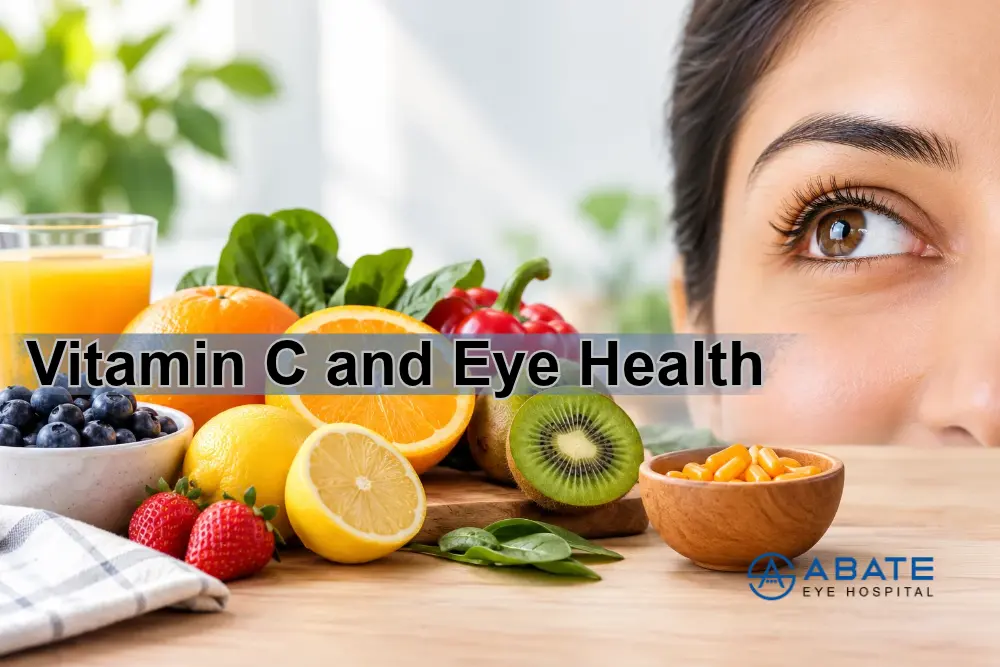
Vitamin C is widely known for supporting the immune system, but this essential nutrient also plays a role in maintaining healthy eyes. As an antioxidant, vitamin C helps protect cells from oxidative stress and supports several processes that are important for normal eye function.
While getting enough vitamin C is beneficial for overall health, it is important to understand that vitamin C alone cannot prevent or treat every eye condition. A balanced diet, regular eye examinations, and appropriate treatment are all important for maintaining good vision.
Vitamin C, also known as ascorbic acid, is a water-soluble vitamin that the body needs for several important functions. It supports collagen production, wound healing, immune function, and antioxidant protection.
The eyes are exposed to light and oxygen throughout the day, which can contribute to oxidative stress. Antioxidants such as vitamin C help protect cells from damage caused by free radicals. The body cannot produce vitamin C on its own, so it needs to be obtained through food and, when necessary, supplements.
Vitamin C may contribute to eye health in several ways.
Oxidative stress occurs when free radicals and the body's antioxidant defenses become unbalanced. Because the eyes are metabolically active and continuously exposed to light, they are particularly susceptible to oxidative stress. Vitamin C acts as an antioxidant and helps protect cells from oxidative damage.
Vitamin C is required for the production of collagen, an important structural protein found throughout the body. Collagen contributes to the structure and strength of tissues, including parts of the eye. Adequate vitamin C therefore supports normal tissue maintenance.
The natural lens of the eye contains vitamin C, and vitamin C contributes to the antioxidant environment within the eye. Research has investigated whether adequate vitamin C intake may be associated with a lower risk of cataract development. However, diet and eye health are influenced by many factors, so vitamin C should not be considered a standalone treatment or guaranteed way to prevent cataracts.
Good nutrition provides the body with a combination of vitamins, minerals, antioxidants, healthy fats, and other nutrients. Vitamin C is one part of this broader nutritional picture. Eating a varied diet rich in fruits and vegetables can help support overall health, including eye health.
Cataracts occur when the natural lens of the eye becomes cloudy, leading to symptoms such as blurred vision, glare, and difficulty seeing clearly. Some research suggests that diets rich in antioxidants, including vitamin C, may be associated with a lower risk of cataracts. However, vitamin C supplements cannot be relied upon to prevent or reverse an established cataract.
Once a cataract significantly affects vision and daily activities, an ophthalmologist may recommend cataract surgery. During the procedure, the cloudy natural lens is removed and replaced with an artificial intraocular lens.
Vitamin C is important for normal eye health, but it does not directly correct common refractive errors such as:
If your vision is blurry because of a refractive error, eating more vitamin C will not correct the underlying focusing problem. Glasses, contact lenses, or appropriate vision correction procedures may be recommended depending on your individual needs.

One of the easiest ways to get vitamin C is through a varied diet containing fruits and vegetables.
Oranges, lemons, limes, and grapefruit are well-known sources of vitamin C. They can be included as part of a balanced diet.
Guava is a particularly rich source of vitamin C and can be a useful addition to a healthy diet.
Indian gooseberry, commonly known as amla, is another vitamin C-rich food that is widely consumed in India.
Red, yellow, and green bell peppers provide vitamin C along with other nutrients and antioxidants.
Kiwi contains vitamin C and can be included in a balanced fruit intake.
Papaya provides vitamin C along with other vitamins and antioxidants.
Strawberries are another fruit that contributes vitamin C to the diet.
Broccoli and other vegetables can also contribute to daily vitamin C intake.
Vitamin C is sensitive to heat and can be lost during cooking. The amount lost depends on the cooking method, temperature, and cooking time. To retain more vitamin C, consider eating some fruits and vegetables fresh and using cooking methods that require shorter cooking times. A varied diet is generally more important than focusing on one particular preparation method.
Most people can obtain enough vitamin C through a balanced diet. Supplements may be appropriate for people who have inadequate dietary intake or certain nutritional needs, but they are not automatically necessary for everyone. Taking very high doses of vitamin C does not necessarily provide additional eye-health benefits. Excessive supplementation can also cause side effects such as stomach discomfort and diarrhoea. It is better to discuss supplementation with a healthcare professional if you are considering high-dose vitamin C or have a medical condition that may affect your nutritional needs.
Severe vitamin C deficiency can cause scurvy, which may result in symptoms such as fatigue, weakness, swollen or bleeding gums, easy bruising, and poor wound healing. Severe nutritional deficiencies can affect overall health and should be addressed appropriately. However, blurry vision should not automatically be attributed to vitamin C deficiency. Persistent changes in vision require an eye examination to identify the actual cause.
Vitamin C is an antioxidant and contributes to overall nutritional health, but there is not enough evidence to consider vitamin C a standalone treatment for dry eye disease.
Dry eyes can have many causes, including:
Treatment depends on the underlying cause and may include lifestyle changes, lubricating eye drops, or other treatments recommended by an eye specialist.
Children need adequate nutrition for healthy growth and development, including normal eye development. Fruits and vegetables containing vitamin C can be part of a balanced diet for children.
However, parents should not rely on vitamin C supplements to address a child's vision problems. If a child squints, sits very close to the television, holds books or devices unusually close, or complains about blurry vision, an eye examination is recommended.
Vitamin C is only one of several nutrients associated with eye health. A balanced diet also provides:
Rather than focusing on a single vitamin, aim for a varied diet containing different fruits, vegetables, whole grains, protein sources, and healthy fats.
Good nutrition is one part of maintaining healthy eyes. You can also support your eye health by:
These habits can support overall eye health but cannot guarantee protection from every eye disease.
Vitamin C and a healthy diet can support general well-being, but they should not replace professional eye care.
See an eye specialist if you experience:
Sudden vision loss requires urgent medical attention.
At Abate Eye Hospital in Kerala and Chennai, comprehensive eye examinations can help identify the cause of vision changes and other eye-related symptoms. An ophthalmologist can assess your eye health and recommend appropriate treatment when required.
Maintaining a nutritious diet, including vitamin C-rich foods, can be part of a healthy lifestyle. However, regular eye examinations are equally important for detecting eye conditions at an early stage. With specialised eye hospital in Perinthalmanna, Calicut, Kannur, and Chennai, Abate Eye Hospital provides eye care for a range of vision and eye-health concerns.
Yes. Vitamin C is an antioxidant that supports normal eye tissues and contributes to overall eye health. However, it should be part of a balanced diet rather than considered a treatment for a specific eye condition.
Several fruits are rich in vitamin C, including guava, amla, citrus fruits, kiwi, strawberries, and papaya. Including a variety of fruits and vegetables can provide a broader range of nutrients.
Vitamin C does not generally correct blurry vision caused by refractive errors or other eye conditions. Persistent blurry vision should be assessed by an eye specialist.
Some research suggests that higher dietary intake of vitamin C may be associated with a lower risk of cataracts, but vitamin C is not proven to prevent every cataract or reverse an existing one.
Vitamin C is generally safe when taken within recommended amounts, but high doses can cause digestive problems and may not provide additional eye-health benefits. Speak with a healthcare professional before taking high-dose supplements.
Both nutrients have different roles in eye health. Vitamin A is essential for normal vision, while vitamin C provides antioxidant support and contributes to healthy tissues. A balanced diet is preferable to focusing on only one nutrient.
Vitamin C and eye health are closely connected through the vitamin's antioxidant and collagen-supporting roles. Eating vitamin C-rich foods such as amla, guava, citrus fruits, bell peppers, kiwi, and vegetables can contribute to a nutritious diet that supports overall health.
However, vitamin C is not a cure for eye diseases and cannot replace an eye examination or prescribed treatment. If you have persistent blurry vision, eye pain, or other changes in your eyesight, consult an ophthalmologist to determine the underlying cause.

Oct 19, 2026

Oct 17, 2026

Oct 8, 2026