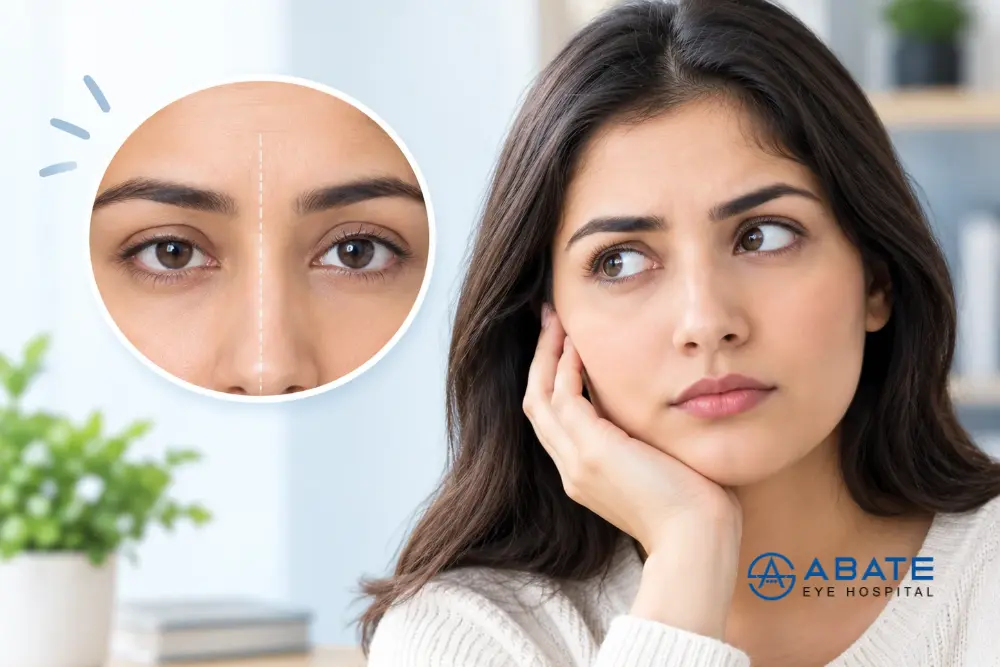
Have you ever looked in the mirror or at a photograph and noticed that one eye looks smaller than the other? Slight differences between the two eyes are common, and in many cases, they are simply part of your natural facial features. However, if the difference is new, becoming more noticeable, or associated with other symptoms, it may indicate an underlying eye or eyelid condition.
One eye may appear smaller because of a droopy eyelid, swelling, changes around the eye, differences in eyelid shape, or a problem affecting the muscles or nerves that control the eyelids.
Understanding the possible causes can help you know when an eye examination is necessary.
Yes. Mild facial asymmetry is very common. Few people have symmetrical features on either side of their face, and variations in eyelid height, eyebrow position, eye configuration, or visible eyelid size can cause the appearance of one eye being significantly smaller than the other.
If the difference has always been present and there are no other symptoms, it may simply be part of your natural appearance.
However, a new or sudden change should not be ignored, particularly if it is accompanied by drooping, double vision, pain, changes in vision, or other neurological symptoms.
Many factors may affect the visual impression of one eye being smaller than the other. The eye itself may not actually be smaller. Often, the discrepancy between individuals is due to the various structures surrounding the eye.
Ptosis (Droopy Eyelid) refers to the dropping of the upper eyelid. If ptosis affects only one eye, that eye can appear smaller because more of the eye is covered by the upper eyelid.
It can occur due to:
Ptosis can obstruct the vision as a result of eyelids covering the pupils.
An eye may appear reduced in size due to swelling in its area. This might happen as a result of an infection, an allergic reaction, inflammation, an insect bite, trauma, or occlusion of the eyelid gland.
Depending on the cause, swelling may be accompanied by redness, pain, itching, or secretion.
A stye is a sore bump caused by the infection or inflammation of the eyelid. On the other hand, when an eyelid oil gland is blocked and inflamed, it can result in a chalazion.
Either can cause local swelling and make the affected eye appear smaller temporarily.
Occasionally, one eye may seem to be completely different from the other one simply because of the asymmetry in the features of the face. Various components of the face that surround the eyes, such as eyelids, eyebrows, and cheekbones, may not show perfect symmetry.
If the difference has been present for a long time and has not changed, it may not indicate a medical problem.
As we age, the skin and supporting tissues around the eyes can change. The next developments might happen: the upper eyelids can become bigger, the eyebrows can come down, and there may appear additional skin.
Such changes can lead to one eye appearing smaller than the other, particularly in cases where the changes are more noticeable on one side than on the other side.
Thyroid eye disease affects the tissues and muscles around the eye.
Thyroid eye disease may affect eye mobility and eyesight, which is why the eye examination is highly important when symptoms arise.
The nerves controlling the eyelid and eye muscles can sometimes be affected by certain neurological conditions. This may result in eyelid drooping, differences in pupil size, double vision, or changes in eye movement.
A new drooping eyelid, especially when it develops suddenly, should be assessed promptly.
An injury involving the eye, eyelid, or surrounding facial structures can cause swelling, bruising, changes in eyelid position, or other alterations in appearance.
Even if the injury seems minor, changes in vision, severe pain, or significant swelling should be evaluated by an eye specialist.
There are changes in the position of the eyelid or the other tissues around the eye which are easily recognizable sometime after certain operations have taken place on the eye or on the eyelid. If you notice a new difference after surgery, discuss it with your ophthalmologist.
Photos can make facial asymmetry more noticeable. It is important to keep in mind that camera angle, lighting, mood, lens distortion, and head position can all substantially affect the appearance of one’s eyes.
For example, if one eyebrow is slightly higher or one eyelid opens slightly less, a photograph may exaggerate the difference.
If your eyes look similar in everyday life but noticeably different in certain photographs, this does not necessarily mean that there is an eye problem.
Fatigue can temporarily affect the appearance of the eyelids. When you are tired, the muscles that help keep the eyelids open may become less active, making the upper eyelids look heavier.
Dry eyes, prolonged screen use, lack of sleep, and eye strain may also make your eyes appear different temporarily.
If one eyelid repeatedly becomes noticeably droopy, particularly if it worsens throughout the day, it is worth discussing with an eye specialist.
If there is only slight variation among the eyes, there is usually no reason to worry. However, you should arrange an eye examination if the change is:
A sudden drooping eyelid, especially when accompanied by double vision, severe headache, weakness, difficulty speaking, or other sudden neurological symptoms, requires urgent medical assessment.
In most cases, the eye itself does not become smaller. What changes is usually the eyelid, surrounding tissue, or the position of the eye.
For example, ptosis can cover more of the eye and make it look smaller, while swelling can narrow the visible opening of the eyelid. Changes in the tissues around the eye can also alter its appearance.
An ophthalmologist can determine whether the difference is related to the eyelid, eye position, surrounding tissues, or another condition.
An ophthalmologist will first examine the eyes and eyelids and ask when you first noticed the difference. The examination may include:
Additional tests or imaging may be recommended when the examination suggests a problem involving the eye muscles, nerves, orbit, or surrounding tissues.
Treatment depends entirely on the underlying cause.
For example:
There is no single treatment for an eye that appears smaller than the other because the appearance can result from many different conditions.
If the difference is caused by ptosis or excess eyelid tissue, an oculoplastic specialist may consider surgical treatment in suitable patients.
The goal is not simply to make both eyes look identical. Treatment is planned according to eyelid function, eye health, facial anatomy, and the patient's individual needs.
An eye specialist can determine whether surgery is appropriate after a detailed examination.
If one eye has always looked slightly different from the other and there are no symptoms, it may simply be normal facial asymmetry.
However, a new or worsening difference should be evaluated, particularly if the eyelid is drooping or you have changes in vision, double vision, pain, swelling, or abnormal eye movements.
Early assessment can help identify conditions affecting the eyelids, eye muscles, nerves, or surrounding tissues.
At Abate Eye Hospital in Kerala, patients with eyelid and surrounding eye concerns can undergo a detailed ophthalmic evaluation to identify the cause of changes in eye appearance. Depending on the findings, an eye specialist or oculoplasty specialist can recommend appropriate management.
Conditions such as droopy eyelids, eyelid lumps, facial nerve-related eye problems, thyroid eye disease, and other disorders affecting the tissues around the eyes may require specialised evaluation.
Yes. Mild differences in eye and eyelid appearance are common because facial features are naturally asymmetrical. However, a new or noticeable change should be examined by an eye specialist.
Fatigue can make the eyelids appear heavier or slightly more droopy. Lack of sleep, dry eyes, and prolonged screen use can also affect how the eyes look temporarily.
Yes. Ptosis causes the upper eyelid to sit lower and can cover more of the eye, making it appear smaller.
Sudden changes can result from eyelid swelling, inflammation, injury, ptosis, or problems affecting the nerves or muscles around the eye. Sudden eyelid drooping should be assessed promptly, especially if other symptoms are present.
Yes. Thyroid eye disease can affect the tissues and muscles around the eyes and may cause swelling, eyelid changes, bulging eyes, or double vision.
Age-related changes in the eyelid and surrounding tissues can make one eye appear smaller. If the change is significant or affects vision, an ophthalmologist can assess the cause.
If one eye looks smaller than the other, it does not always mean that something is wrong. Natural facial asymmetry, tiredness, eyelid swelling, or changes in the eyelids can all affect the appearance of the eyes.
However, a new, sudden, or progressively worsening difference should not be ignored. Conditions such as ptosis, thyroid eye disease, nerve problems, or other disorders around the eye may require treatment.
If you notice a persistent change in the appearance of one eye or experience symptoms such as drooping, double vision, pain, swelling, or vision changes, consult an ophthalmologist for a proper evaluation.
Oct 8, 2026