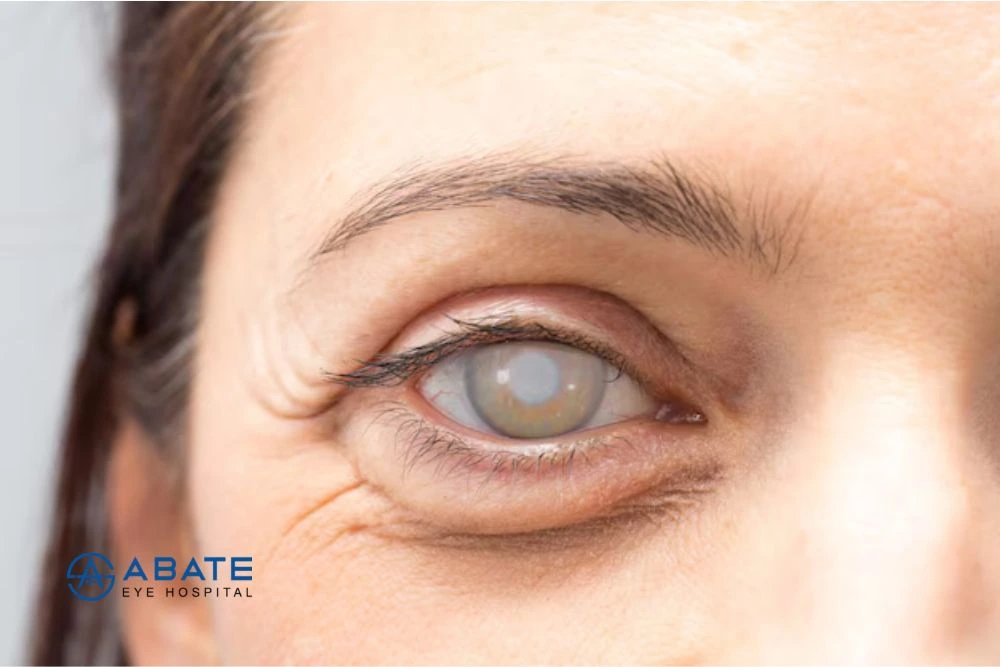
Cataract surgery is one of the most commonly performed and successful eye procedures worldwide. It helps restore clear vision by removing the cloudy natural lens and replacing it with an artificial intraocular lens (IOL). However, many patients often wonder: can cataract come back after surgery?
This is a common concern, especially among those planning for surgery or those who have already undergone the procedure. The short answer is no, cataracts do not come back. But there is a condition that can feel very similar, which is often misunderstood as a “return” of cataract.
This guide explains everything you need to know in simple terms.
To understand whether cataracts can return, it’s important to know what happens during surgery.
A cataract forms when the natural lens of the eye becomes cloudy. During cataract surgery:
Since the natural lens is completely removed, it cannot grow back. Therefore, the cataract itself does not return.
Even though cataracts cannot return, some patients may experience blurred vision months or even years after surgery. This condition is known as posterior capsule opacification (PCO).
After cataract surgery, a thin membrane called the posterior capsule is left in place to support the artificial lens. Over time, this capsule can become cloudy.
This condition is commonly referred to as a “secondary cataract”, although it is not actually a cataract.
These symptoms can feel very similar to the original cataract, which is why many people believe the cataract has come back.
Posterior capsule opacification is quite common. It can develop:
However, not everyone develops PCO, and modern surgical techniques have reduced its occurrence.
The good news is that PCO is easily treatable with a quick and painless procedure called YAG laser capsulotomy.
Once treated, PCO usually does not return.
No, a cataract cannot come back in the same eye once it has been removed. The artificial lens implanted during surgery does not develop cataracts.
If vision becomes blurry again, it is most likely due to:
A proper eye examination helps identify the exact cause.
Yes, if cataract surgery has been performed in only one eye, the other eye may still develop cataract over time.
Cataracts are often age-related, and both eyes can be affected, though not always at the same time.
Even though cataracts do not return, maintaining good eye health is essential.
Use prescribed medications and attend follow-up visits.
Wear sunglasses to protect against UV rays and avoid dust exposure.
Control conditions like diabetes and hypertension, which can affect eye health.
Routine eye exams help detect any changes early.
You should consult an eye specialist if you experience:
Early evaluation ensures timely treatment and better outcomes.
At Abate Eye Hospital, advanced cataract surgery is performed using modern techniques and high-quality intraocular lenses to ensure precise and safe outcomes. Each patient receives a detailed evaluation and personalized treatment plan. Within a short period after starting the Abate Eye Hospital, we have done 100% successful cataract surgery in Chennai. In Kerala, we are already a top name for cataract surgeries.
In cases where vision becomes cloudy after surgery due to posterior capsule opacification, quick and effective laser treatment is provided to restore clarity.
With centres across Kerala and Chennai, patients benefit from expert care, advanced technology, and a strong focus on long-term vision health.
Fact: Once removed, cataracts cannot return.
Fact: It is often due to PCO, which is easily treatable.
Fact: Cataract surgery is usually a one-time procedure.
So, can a cataract come back? The answer is no. Once the natural lens is removed during surgery, cataracts cannot return. However, a common condition called posterior capsule opacification may cause similar symptoms, which can be easily treated with a simple laser procedure.
Understanding this difference helps reduce unnecessary worry and ensures timely care. If you notice any changes in vision after cataract surgery, consulting an eye specialist is the best step toward maintaining clear and healthy vision.

Oct 19, 2026

Oct 17, 2026