How often should you get your eyes tested? Most people never think about it until the words on a page start to blur. By then, some eye problems have already been growing for years. Glaucoma, diabetic eye disease and early cataract can all stay quiet at the start, and a regular eye test is the best way to catch them in time. The right gap depends on your age and your health. This guide gives a simple answer for each age group, explains who needs tests more often, and tells you what to expect when you visit Eye Hospital in kerala.
For most healthy adults, a full eye test every one to two years is a safe rule. Many eye care groups say at least every two years. Children need their first test early and regular checks as they grow. From age 65, aim for a test every year. And if you have diabetes, a family history of glaucoma, or you wear glasses or contact lenses, plan on a test every year, or as often as your doctor advises. If you are unsure, choose the shorter gap. An extra test costs little time. A missed problem can cost vision.
You may have seen different numbers online, because different groups give different advice. Many Indian eye hospitals suggest a test every two years for adults up to 60 and every year after that. Some international guidelines allow longer gaps for healthy people: about once in your twenties and twice in your thirties, then every two to four years from 40 to 54. None of them is wrong. They were written for different health systems and different goals. Our advice is simple: use the shorter gap if you have any risk, and ask your doctor to set your own schedule.
No. Clear sight does not always mean healthy eyes. Glaucoma can damage the side vision slowly while the centre stays sharp, so you may not notice anything. Diabetic eye disease and early macular problems can also stay silent. Even a 6/6 reading, often called 20/20, only tells you how well you read a chart from a distance. It says nothing about eye pressure, the lens or the retina. That is why doctors suggest regular tests even when you feel fine. The World Health Organization says almost half of all vision impairment worldwide could have been prevented or has not yet been treated.
Children cannot always tell you that something is wrong. A child with poor vision may think everyone sees the same way. Eye doctors advise a first test at about six months, another at three years, and one just before school starts. After that, a test every year or two is a good habit, and every year if your child wears glasses. Babies born early, with low birth weight, or with a family history of eye problems may need their first test sooner, so ask your paediatrician. Watch for squinting, sitting too close to the TV, holding books near the face, frequent eye rubbing, headaches, or one eye that drifts in or out.
A school vision screening is not the same as a full eye test. It can flag a problem, but it can miss others. Government programmes help here: the National Programme for Control of Blindness and Visual Impairment screens school children and gives free glasses to poor children who need them, and the Rashtriya Bal Swasthya Karyakram also screens children’s vision. If your child fails a screening, do not wait for the next school year. Book a full test with our paediatric eye specialists. Early care matters most for a lazy eye, which responds best when treated young. Our vision therapy service helps children with this problem.
If your eyes feel fine and you have no health problems, a test every two years is a good habit. Some ophthalmology groups say healthy adults in this age group need fewer tests, but there are good reasons to stay on schedule. Prescriptions change, long hours on phones and laptops cause strain, and an eye test can sometimes pick up early signs of diabetes or high blood pressure. If you wear contact lenses, go every year. Headaches, tired eyes or blur after screen time are reasons to book sooner. Our post on phones and blurry eyes explains the difference between strain and a real problem.
Screens do not damage the eye itself, but they can leave eyes tired, dry and strained. Long hours of near work, including phones, are also linked with more short sight in children. Extra tests are not always needed, but extra breaks are. Follow the 20-20-20 habit: every 20 minutes, look at something 20 feet away for 20 seconds. Blink often, keep the screen slightly below eye level and sleep well. If strain keeps coming back, book a test, because an old prescription is often the cause. Our guide on dry eyes and dehydration has more tips.
Age 40 is a turning point. Near vision starts to slip, and the risk of glaucoma, cataract and other diseases begins to rise. Many ophthalmologists advise a baseline disease check at 40. After that, guidelines range from every one to four years, depending on your risk, so a simple rule is every one to two years. Glaucoma is the one to worry about. It usually causes no pain and no early symptoms, and the lost vision cannot be brought back. Read our post on how long glaucoma can go untreated to see why waiting is risky. If glaucoma runs in your family, tell your doctor. Indian government guidelines say everyone aged 40 and above, and everyone with a family history of glaucoma, should be screened. Visit our glaucoma clinic early.
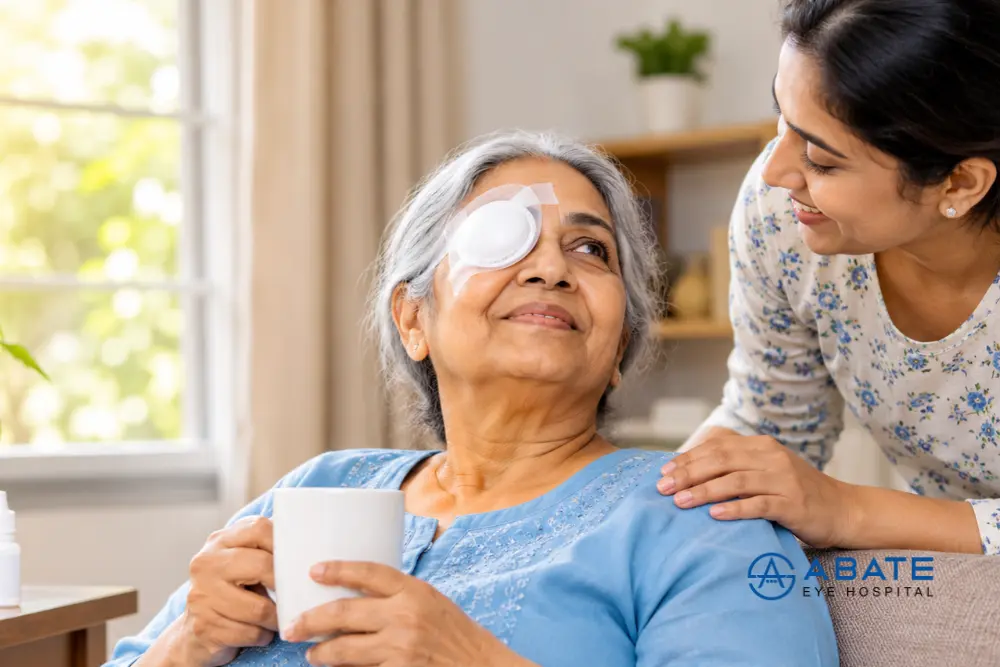
After 65, the chances of cataract, glaucoma, macular degeneration and diabetic eye disease go up. Indian eye hospitals advise a yearly test for seniors, and some international guidelines say every one to two years. We suggest every year. If reading, driving at night or recognising faces gets harder, do not blame age alone. Cloudy lenses are treatable.
Some people should not wait two years. You need a test every year, or more often if your doctor says so, if you:
Book a visit as soon as you notice:
Some signs are emergencies. A sudden loss of vision, a dark curtain across your sight, or a burst of new flashes and floaters needs urgent care the same day. Go to the nearest eye hospital and do not wait for an appointment slot. Do not rub the eye or try home remedies. These can point to a retinal problem. You can reach your nearest branch through our contact page.
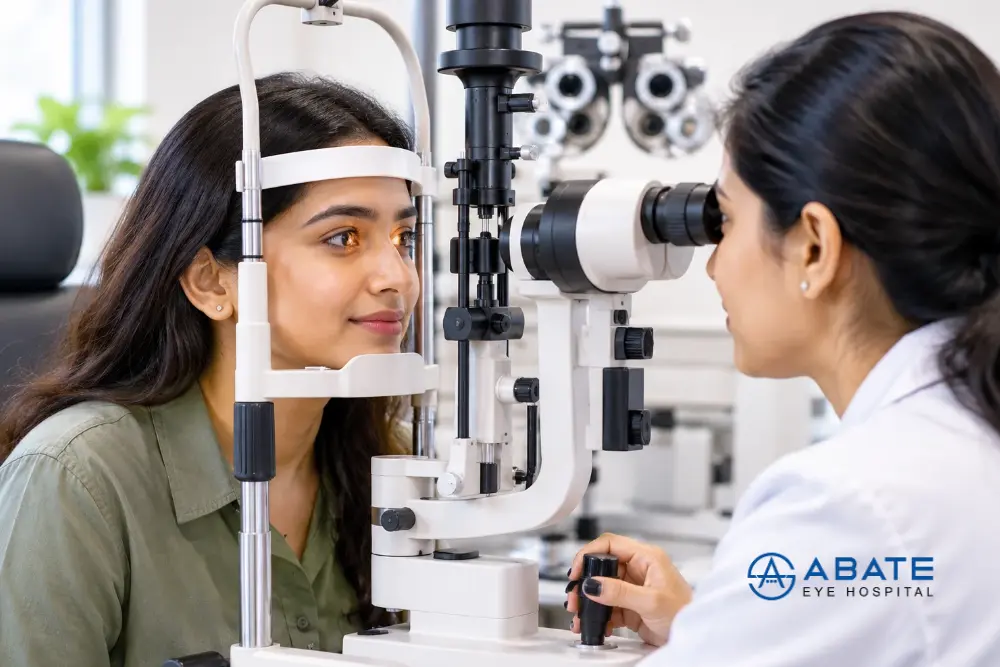
A full eye test is more than reading letters from a chart. The doctor starts with questions about your health, medicines and any eye problems in your family. Then comes a vision check, followed by a test that finds your glasses power. Your eye pressure is measured to look for glaucoma. A bright microscope lets the doctor see the front of your eye, including the cornea and the lens. Drops are often used to widen the pupil, so the retina and optic nerve at the back can be checked. These drops blur your vision and make light feel strong for a few hours, so bring a family member and do not drive yourself. A quick power check at an optical shop is useful for glasses, but it does not look at the health of your eye. To learn about the equipment behind these checks, visit our technology page.
A little preparation makes the visit more useful. Bring your old glasses and your last prescription. Carry a list of the medicines you take, including eye drops. Write down any symptoms, even small ones, and tell the doctor about relatives with eye disease. If you have diabetes or high blood pressure, bring your latest reports. Ask whether you should wear your contact lenses to the visit. Before you leave, ask one more question: when should I come back? Put that date in your phone so it does not slip away.
Abate Eye Hospital is a NABH pre-accredited eye hospital with more than two decades of experience. Our specialists cover cataract, retina, glaucoma, paediatric, cornea, oculoplasty, neuro-ophthalmology and vision correction, so one visit can lead to the right expert if a problem turns up. Please visit us at our eye hospital in Perinthalmanna, Calicut, Kannur and Chennai. You can also check the insurance plans we accept before you come, or read about health tourism if you are travelling from abroad.
So, how often should you get your eyes tested? For most people, every one to two years is a safe rule. Children need early and regular checks, adults over 40 should start disease screening, and everyone with diabetes, high blood pressure, a family history of eye disease, or contact lenses should go every year. Do not wait for symptoms, because many serious eye problems give no warning. Pick a date this month, set a reminder, and keep it. When you are ready, book an appointment at Abate Eye Hospital and let our team set the right schedule for you and your family.