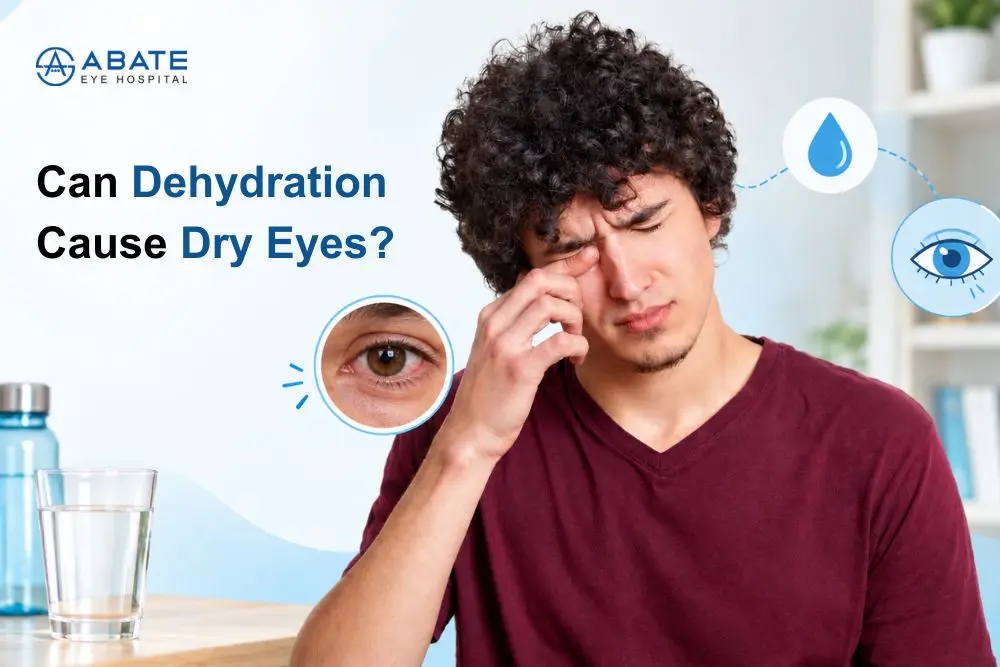
Your body needs enough water to function properly, and your eyes are no exception. Dehydration can contribute to dry eye symptoms because your body may produce fewer tears or tears may evaporate more quickly when you do not get enough fluids.
Dry, uncomfortable eyes can also have many other causes, including prolonged screen use, contact lens wear, certain medications, environmental conditions, and underlying eye problems. Understanding the connection between hydration and eye health can help you take better care of your eyes.
Dry eye occurs when your eyes do not produce enough tears or when the tears evaporate too quickly. Tears are important for keeping the surface of the eye smooth, comfortable, and protected.
Common symptoms of dry eyes include:
Yes, dehydration can contribute to dry eye symptoms.
When your body does not receive enough fluids, it may affect the amount of moisture available throughout the body, including the eyes. Reduced tear production or changes in the tear film can make the eyes feel dry and uncomfortable.
However, dehydration is usually one possible contributing factor rather than the only cause of dry eyes. Persistent dry-eye symptoms should be evaluated to identify the underlying reason.
Tears contain water along with oils, mucus, and other substances that help protect and lubricate the eye.
When you become dehydrated, your body's fluid balance can change. This may affect the tear film and make it harder for the eyes to remain adequately lubricated.
As a result, you may notice:
Drinking enough fluids throughout the day can support normal tear production and overall eye comfort.
Dry eyes may sometimes occur alongside other signs of dehydration, such as:
If you are experiencing significant dehydration, particularly with confusion, fainting, or severe weakness, medical attention may be necessary.
Dehydration is not the only reason your eyes may feel dry. Several other factors can contribute.
When looking at a computer, smartphone, or tablet for a long time, you may blink less frequently. Reduced blinking can increase tear evaporation and cause dryness.
Taking regular breaks and consciously blinking can help.
Air-conditioned rooms, heaters, and direct airflow from fans can increase tear evaporation.
Try to avoid directing air directly toward your eyes.
Contact lenses can contribute to dryness, especially when worn for long periods or when they are not properly cared for.
Follow your eye specialist's instructions regarding wearing time, cleaning, and replacement.
Tear production can decrease with age, making dry eyes more common among older adults.
Some medicines can contribute to dry-eye symptoms. If you notice dryness after starting a medication, speak with your doctor rather than stopping it yourself.
Dust, smoke, wind, and air pollution can irritate the eyes and increase dryness.
Some health conditions can affect tear production or the surface of the eye. Persistent dry eyes may therefore require a comprehensive eye examination.
There is no single amount of water that will prevent dry eyes for everyone. Fluid requirements vary according to factors such as age, activity level, climate, diet, and overall health.
Rather than focusing on a specific amount, aim to drink fluids regularly throughout the day and respond to your body's thirst.
If you have a medical condition that requires you to restrict your fluid intake, follow your doctor's advice.
Drinking enough water can help maintain normal hydration and may reduce dryness related to dehydration. However, water alone does not cure every case of dry eye.
If dry-eye symptoms continue despite adequate hydration, another cause may be responsible. An eye specialist can evaluate your eyes and recommend appropriate treatment.
Along with staying adequately hydrated, several habits can help maintain comfortable eyes.
Drink fluids regularly throughout the day, especially during hot weather or after physical activity.
Follow the 20-20-20 rule: every 20 minutes, look at something about 20 feet away for at least 20 seconds.
Make a conscious effort to blink when using digital devices.
Keep fans and air-conditioning vents from blowing directly toward your eyes.
Poor sleep can contribute to eye irritation and discomfort.
Artificial tears may provide relief for some people with dry eyes. If you need eye drops frequently, consult an eye specialist for appropriate advice.
Sunglasses can help protect your eyes from wind, dust, and excessive sunlight.
Occasional dryness may improve with better hydration and simple lifestyle changes. However, you should consult an eye specialist if you experience:
A comprehensive eye examination can help determine whether dry eyes are caused by dehydration, tear-film problems, an underlying eye condition, or another factor.
Dry eyes can have several causes, so identifying the underlying problem is important for effective management. At Abate Eye Hospital, experienced ophthalmologists provide comprehensive eye evaluations and personalized care for patients experiencing dry-eye symptoms and other vision problems.
Whether you are looking for an eye specialist in Kerala, an eye hospital in Kozhikode, an eye care hospital in Kannur, a Malappuram eye hospital, or the best eye care in Chennai, Abate provides comprehensive ophthalmic care supported by modern diagnostic facilities.
Yes. Dehydration can contribute to dry-eye symptoms by affecting the body's fluid balance and potentially reducing tear production or affecting the tear film.
Staying adequately hydrated can help if dehydration is contributing to your symptoms. However, persistent dry eyes may have other causes and may require treatment from an eye specialist.
Dry eyes caused by dehydration may occur alongside symptoms such as increased thirst, dry mouth, dark urine, and tiredness. However, an eye examination may be needed to determine the actual cause of persistent dryness.
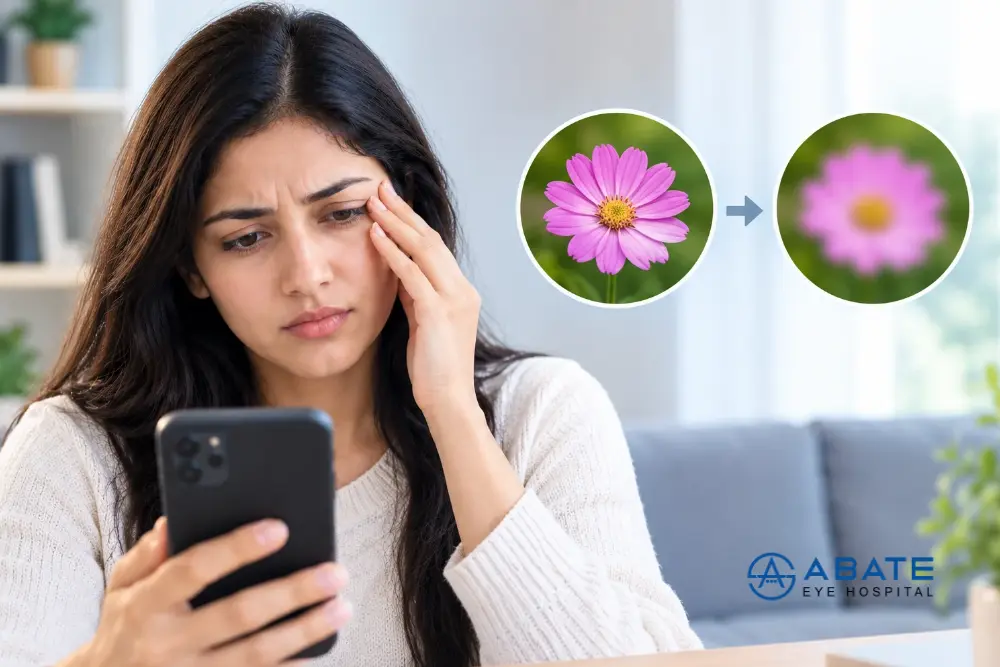
Yes, dehydration can contribute to temporary blurred or fluctuating vision, particularly when it affects the tear film. Persistent or sudden blurry vision should always be evaluated by an eye specialist.
Maintaining adequate hydration can support normal tear production and eye comfort, but it cannot prevent every type of dry eye. Screen use, aging, medications, contact lenses, and medical conditions can also contribute.
Consult an eye specialist if dryness is persistent, severe, recurrent, or accompanied by pain, significant redness, light sensitivity, or changes in vision.
Dehydration can contribute to dry eyes, but it is only one of several possible causes. Staying adequately hydrated, taking regular screen breaks, blinking frequently, and protecting your eyes from dry or windy environments can help maintain eye comfort.
If your symptoms continue despite these measures, do not assume dehydration is the cause. A comprehensive eye examination can help identify the underlying problem and guide appropriate treatment.
Oct 19, 2026

Oct 17, 2026