Glaucoma is often called a “silent thief of sight” because it can damage the optic nerve without causing noticeable symptoms in its early stages. Many people may have glaucoma for years before they realise that their vision is being affected.
So, how long can glaucoma go untreated? There is no fixed timeframe. Glaucoma can progress slowly over several years in some people, while more aggressive forms can cause significant vision loss much sooner. The rate of progression depends on the type of glaucoma, eye pressure, age, overall eye health, and other individual factors. The important point is that untreated glaucoma can cause permanent vision loss, and damage that has already occurred cannot usually be reversed.
Glaucoma occurs when there is harm to the optic nerve, which transmits visual signals from the eye to the brain. Increased eye pressure is an important risk factor, although glaucoma can also occur when eye pressure is within the normal range. When glaucoma is not treated or monitored, optic nerve damage may gradually worsen. This can lead to:
Because the changes can happen gradually, a person may not notice the loss of peripheral vision until the disease has become more advanced.
It is difficult to pinpoint exactly how fast glaucoma develops. Some people experience very slow changes, while others may develop significant optic nerve damage over a shorter period.
The rate of progression can depend on factors such as:
This is what makes it crucial to undergo eye exams even when you believe that your vision is perfectly okay.
Yes. Open-angle glaucoma, the most common type, often develops gradually and may not cause obvious symptoms in its early stages. A person may continue to read, work, drive, and perform daily activities normally while glaucoma is slowly affecting peripheral vision. By the time noticeable vision problems appear, some optic nerve damage may already have occurred. Performing regular screening is a good way to uncover glaucoma before apparent signs become visible.
Unfortunately, damage to the optic nerve caused by glaucoma is generally permanent. Current treatments cannot restore optic nerve tissue that has already been lost. However, treatment can help slow or prevent further damage by controlling important risk factors, particularly eye pressure. Depending on the type and severity of glaucoma, treatment may include:
How the disease is treated depends on the circumstances.
Glaucoma treatment usually needs to be continued as recommended by an ophthalmologist. Stopping eye drops or missing follow-up appointments can allow eye pressure to increase or the disease to progress without being detected.
Even if your eyes feel comfortable and your vision seems unchanged, glaucoma may still be progressing.
If you are having difficulty using your prescribed eye drops or experiencing side effects, speak with your ophthalmologist rather than stopping treatment on your own.
Most forms of glaucoma develop gradually. However, acute angle-closure glaucoma can occur suddenly and requires urgent medical attention.
Symptoms may include:
These symptoms can indicate a medical emergency. Immediate ophthalmic care is important because untreated acute angle-closure glaucoma can cause rapid and serious vision loss.
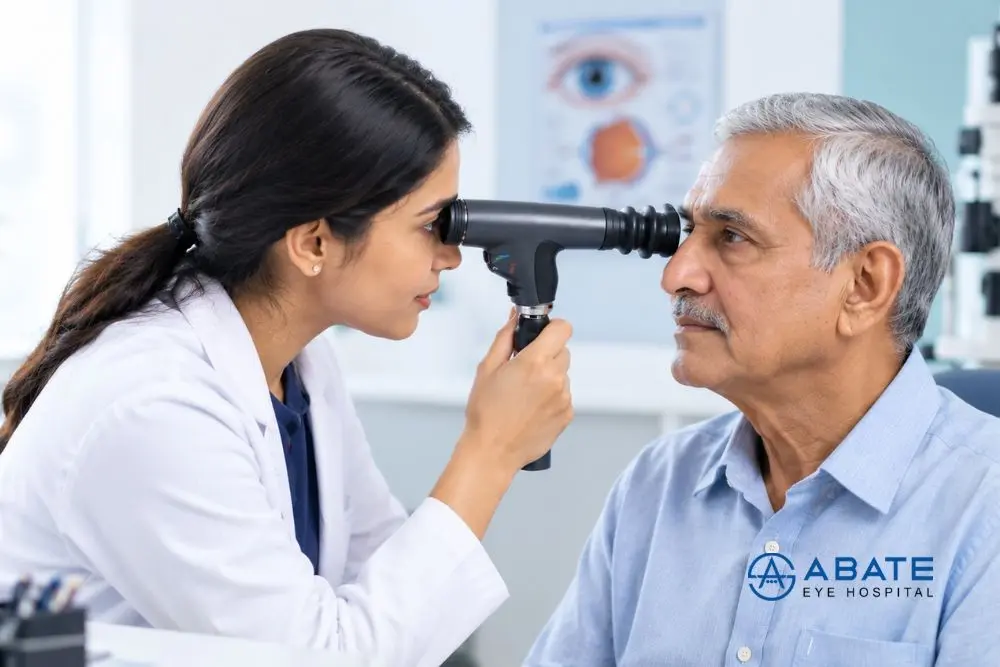
A comprehensive eye examination can help identify glaucoma and assess whether the optic nerve has been damaged. Depending on the patient's age, symptoms, risk factors, and examination findings, an ophthalmologist may perform tests such as:
There is no one test to detect all forms of glaucoma. The ophthalmologist considers the results together with the patient's medical and eye history.
Glaucoma can impact anyone, but some elements may increase risk. These include:
People at high risk may need to have eye exams done more often than those at low risk.
How often examinations need to be done will depend on a person's age, risk factors and whether he or she has glaucoma.
People who have been diagnosed with glaucoma generally require regular follow-up examinations to monitor eye pressure, optic nerve health, and visual field changes. Those at higher risk may also need more frequent screening.
An eye specialist will suggest a program of eye examinations to you as per your risk profile.
Prevention of glaucoma in any patient is impossible. However, early detection and appropriate treatment can significantly reduce the risk of severe vision loss.
Comprehensive eye examinations are essential for high-risk patients. Following your prescribed treatment and attending scheduled follow-ups can also help protect your remaining vision.
It is better to see an eye specialist before you lose your vision, as some types of glaucoma strike without any symptoms in the beginning.
You should consider a comprehensive eye examination if you:
Seek urgent medical attention if you experience sudden severe eye pain, redness, blurred vision, halos around lights, headache, or nausea.
At Abate Eye Hospital in Chennai and Kerala, glaucoma evaluation and treatment are based on detailed assessment of eye pressure, optic nerve health, visual fields, and other relevant findings. Advanced diagnostic tools can help specialists identify glaucoma, monitor changes over time, and plan appropriate treatment.
If you are concerned about glaucoma or have a family history of the condition, an eye examination can help identify potential problems before significant vision loss occurs.
Glaucoma generally cannot be cured, and existing optic nerve damage cannot usually be reversed. However, early diagnosis and appropriate treatment can help control the condition and reduce the risk of further vision loss.
Yes. Depending on the type and severity, glaucoma may initially be managed with prescription eye drops or laser treatment. For patients who require further treatment, options such as Eye Surgery for Glaucoma may be considered based on the severity of the condition and the doctor’s assessment.
Yes. Some people develop normal-tension glaucoma, where optic nerve damage occurs even though eye pressure remains within the statistically normal range.
No. Early diagnosis, appropriate treatment, and regular monitoring can help many people manage glaucoma and preserve useful vision for many years.
There is no safe period for leaving glaucoma untreated. While some forms may progress slowly, the disease can continue damaging the optic nerve without obvious symptoms. Since glaucoma-related vision loss is generally permanent, early detection and timely treatment are essential for protecting long-term vision. If you are at risk of glaucoma or have noticed changes in your vision, a comprehensive eye examination by an ophthalmologist can help determine whether further evaluation or treatment is needed.

Oct 17, 2026