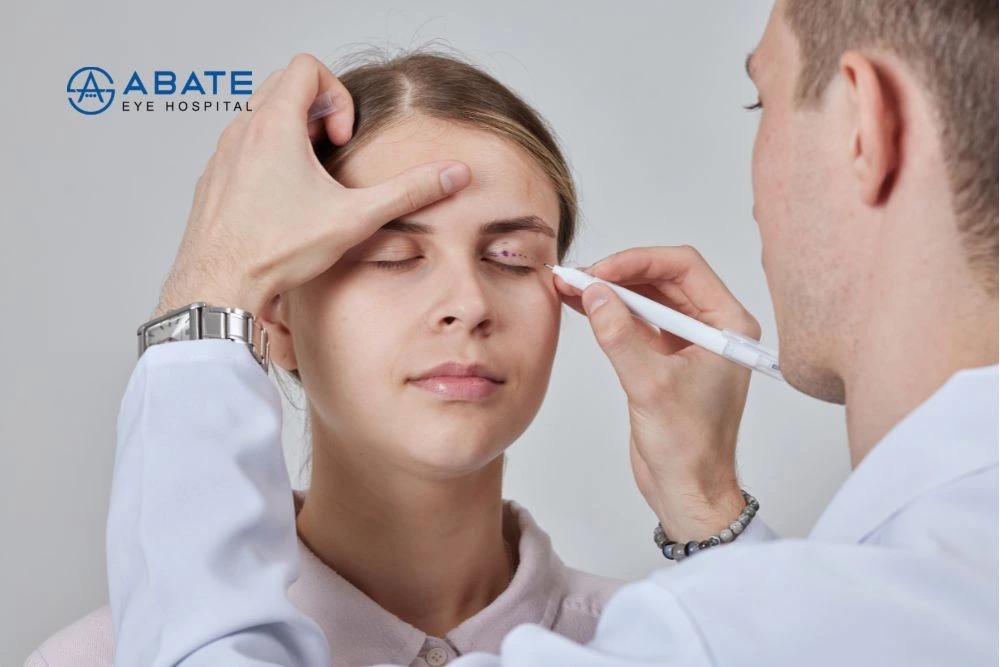
Droopy eyelids, medically known as ptosis, occur when the upper eyelid falls lower than its normal position. This condition can affect one or both eyes and may range from mild cosmetic concerns to significant vision obstruction. Droopy eyelids can develop due to aging, nerve damage, muscle weakness, injury, or congenital factors.
Modern ophthalmology offers several effective treatments for droopy eyelids, ranging from non-surgical management to advanced surgical procedures. Understanding the causes, symptoms, and available treatment options is essential for maintaining both eye health and facial appearance.
A droopy eyelid occurs when the levator muscle, responsible for lifting the eyelid, becomes weak or damaged. When this muscle does not function properly, the eyelid begins to sag.
In mild cases, the condition may only affect appearance. In more severe cases, the eyelid may partially cover the pupil, affecting vision and causing eye strain.
Several factors can lead to drooping of the eyelid.
Aging is one of the most common causes of droopy eyelids. Over time, the eyelid muscles may weaken and lose elasticity, leading to sagging skin and eyelid drooping.
Some individuals are born with droopy eyelids due to underdeveloped eyelid muscles. This condition may affect visual development in children if not treated early.
Certain neurological conditions can affect the nerves controlling eyelid movement. This may result in partial or complete eyelid drooping.
Trauma or previous eye surgery can sometimes weaken the eyelid muscle or supporting tissues.
Certain health conditions may contribute to droopy eyelids, including:
Droopy eyelids may present with several symptoms depending on severity.
Common symptoms include:
In children, droopy eyelids may also affect vision development.
Medical evaluation is recommended if:
Early diagnosis helps determine the underlying cause and appropriate treatment. At Abate Eye Hospital, patients can consult skilled oculoplasty surgeons such as Dr. Abdul Shameer S, Dr. Hameed Obedulla, and Dr. Faraz Ali Mohammed, who specialize in the diagnosis and treatment of eyelid disorders. With expertise in modern oculoplastic techniques, they provide personalized treatment plans to address droopy eyelids and other functional or cosmetic concerns related to the eyes and surrounding structures.
Eye specialists perform several tests to evaluate eyelid function and eye health.
Diagnosis may include:
The doctor examines eyelid position, muscle strength, and visual function.
Testing determines whether drooping eyelids are affecting the field of vision.
If nerve damage is suspected, additional tests may be recommended.
CT scans or MRI may be used in certain cases to identify underlying structural problems.
Treatment depends on the cause and severity of the condition.
In mild cases, doctors may recommend non-surgical management.
These may include:
However, non-surgical methods may not permanently correct significant drooping.
Surgery is the most effective treatment for moderate to severe droopy eyelids.
Common procedures include:
This procedure tightens the levator muscle responsible for lifting the eyelid.
The surgeon adjusts the muscle to restore the eyelid to a normal position.
Benefits include:
This procedure is commonly used in severe or congenital ptosis cases.
A sling connects the eyelid to the forehead muscle, allowing the forehead muscles to help lift the eyelid.
In some cases, drooping is caused by excess skin rather than muscle weakness. Blepharoplasty removes excess eyelid skin and improves eyelid contour.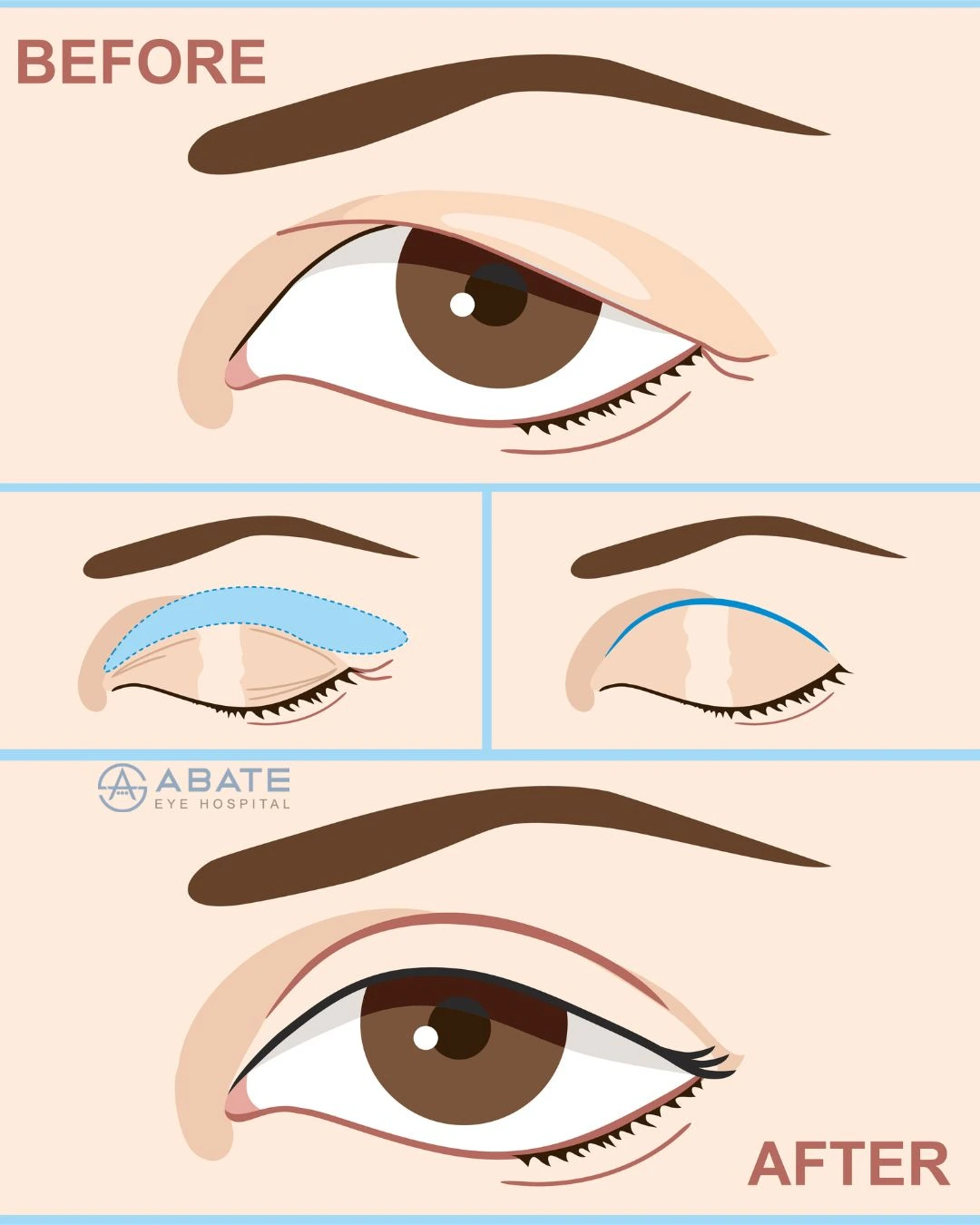
Recovery is generally quick and manageable.
Patients may experience:
Most individuals resume normal activities within a few days. Full healing typically occurs within a few weeks.
Doctors may recommend:
Treating droopy eyelids can provide several benefits.
These include:
Early treatment also prevents long-term visual complications.
At Abate Eye Hospital, droopy eyelid treatment is provided through specialized oculoplasty services. Experienced ophthalmologists carefully evaluate each patient to determine the cause of eyelid drooping and recommend the most appropriate treatment. If you are looking for oculoplasty treatment in Kerala, Abate Eye Hospital is the best place to go.
The hospital uses modern diagnostic technology and advanced surgical techniques to ensure safe and effective outcomes. Patients receive personalized treatment plans designed to restore both visual function and the natural appearance of the eyelids.
With expert care and patient-focused services, Abate Eye Hospital provides comprehensive solutions for various eyelid conditions.
While some causes cannot be prevented, certain practices may help maintain eyelid health.
Helpful tips include:
Early consultation helps detect potential issues before they progress.
Droopy eyelids can affect both vision and appearance, but modern treatments offer effective solutions. From early diagnosis to advanced surgical correction, proper medical care can significantly improve both eye function and cosmetic results.
If droopy eyelids begin to interfere with vision or daily activities, consulting an eye specialist is essential. With timely treatment and expert guidance, a clear vision and natural eyelid appearance can be restored.

Oct 19, 2026
Oct 17, 2026