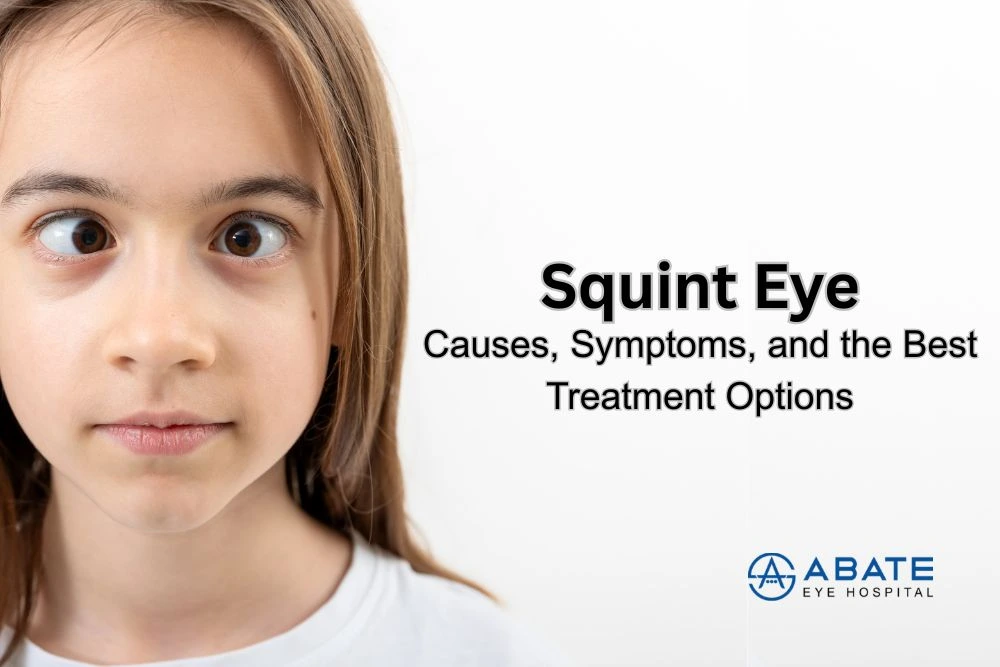
Squint, medically known as strabismus, is a condition in which the eyes do not align in the same direction. While one eye focuses straight ahead, the other may turn inward, outward, upward, or downward. This misalignment can occur continuously or only at certain times, such as during stress, illness, or fatigue. Although squint is often associated with childhood, it can affect individuals of all ages.
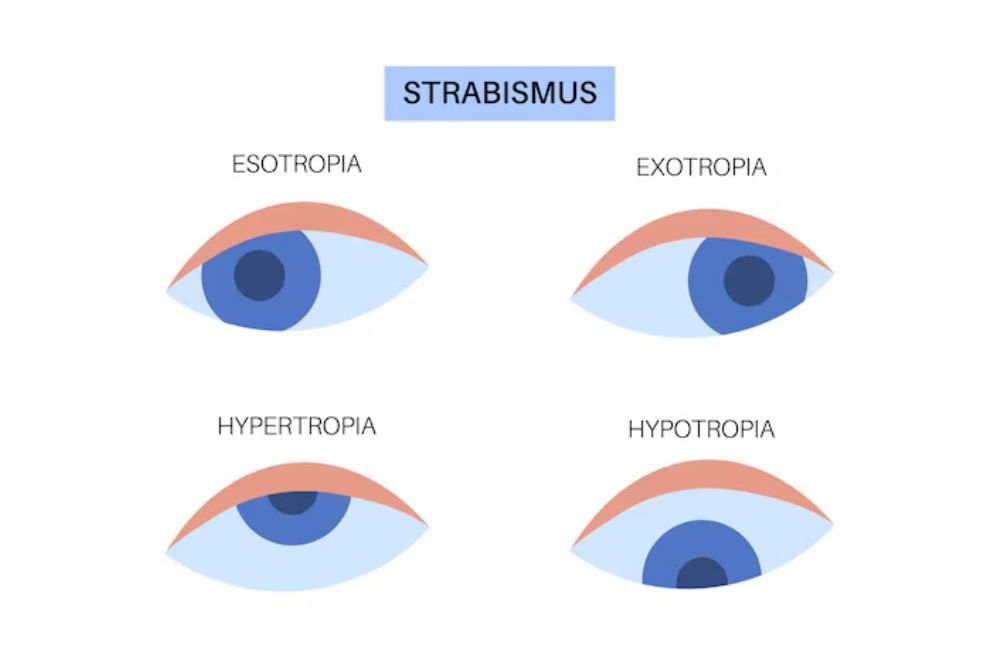
Timely diagnosis and treatment of squint are essential to prevent complications such as amblyopia (lazy eye), double vision, poor depth perception, and long-term visual impairment. With modern advancements in eye care, squint eye treatment has become highly successful, offering better visual outcomes and improved eye alignment.
Squint can develop due to several underlying factors. Understanding the cause helps determine the ideal treatment plan.
Each eye has six extraocular muscles responsible for movement. If these muscles do not work together or have unequal strength, misalignment may occur.
Uncorrected farsightedness (hyperopia) is a common cause of squint in children. The eyes strain to focus, leading one eye to turn inward. Consulting a pediatric ophthalmologist in Kannur, a pediatric ophthalmologist in Calicut, or a pediatric ophthalmologist in Malappuram, pediatric ophthalmologist in Chennai at Abate can help ensure early diagnosis and proper treatment.
When the nerves controlling eye muscles malfunction due to birth-related issues, infections, or neurological problems, the eyes may not move in coordination.
Squint often runs in families. A child with a family history of squint or lazy eye has a higher chance of developing it.
Conditions such as Down syndrome, cerebral palsy, thyroid issues, or premature birth increase the likelihood of squint.
Squint is usually visible, but some signs can go unnoticed without a proper eye examination.
If any of these symptoms appear, an eye check-up should be done immediately to avoid long-term visual complications.
A comprehensive eye examination plays a major role in diagnosing squint. Tests usually include:
Checks the clarity of vision in each eye.
Identifies refractive errors such as hyperopia or astigmatism.
Measures the degree of eye turning.
Tests how well the eye muscles work together.
Rules out eye diseases that may contribute to misalignment.
Modern diagnostic tools and skilled specialists ensure precise identification of the type and severity of squint, which is necessary for selecting the correct treatment.
Treatment for squint depends on the cause, age, severity, and whether amblyopia is involved. In many cases, combining multiple treatments yields the best results.
If refractive errors are the reason behind squint, correcting the power with glasses can realign the eyes. Children with accommodative squint often show significant improvement with spectacles alone.
When squint leads to amblyopia, patching the stronger eye helps the weaker eye develop better vision. This method is commonly used in children to boost visual development.
Vision therapy strengthens eye muscles, improves coordination, and enhances binocular vision. Exercises may be recommended to treat mild squint or post-surgery recovery. At Abate, advanced vision therapy is offered across all branches.
Prism lenses help correct double vision by aligning the images seen by both eyes. They are often used in adults with a sudden onset of squint.
Eye drops or injections may be prescribed in certain cases, especially when the squint is related to neurological or muscle-related issues.
Surgery is recommended when non-surgical methods are insufficient. It involves adjusting the eye muscles to restore proper alignment. Modern surgical techniques ensure:
Squint surgery is performed safely for children and adults. For children, earlier correction improves long-term visual development. Adults often choose surgery for both functional and cosmetic benefits.
Following treatment or surgery, regular follow-ups ensure stable eye alignment and monitor visual development. Post-treatment care may include:
This ongoing care significantly enhances treatment success and long-lasting results.
Squint should never be ignored, especially in children. Early intervention prevents:
Treatment during early childhood yields the best results since the visual system is still developing.