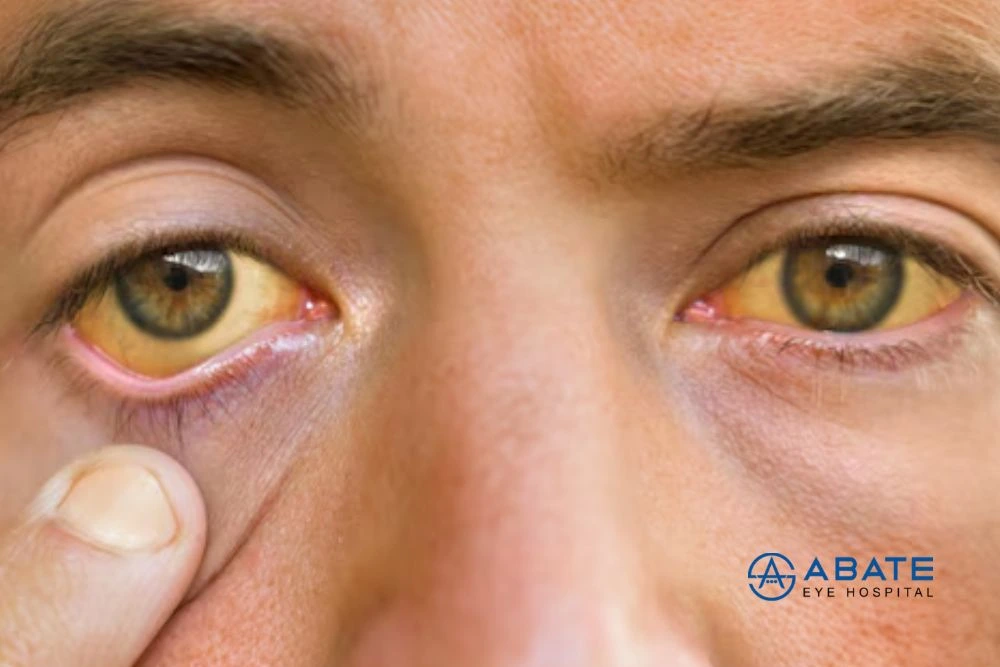
Slightly yellow eyes in adults may indicate a change in the white part of the eye (sclera) caused by mild jaundice, lifestyle factors, or underlying health conditions. While minor discoloration may not always be serious, persistent yellowing of the eyes should be evaluated by a medical professional to rule out liver disease or other health issues.
The white portion of the eyes normally appears clear and bright. When it develops a yellowish tint, it often indicates the presence of bilirubin, a yellow pigment produced during the breakdown of red blood cells. Even slight yellowing can be an early sign of a medical condition.
This guide explains the causes, symptoms, diagnosis, and treatment of slightly yellow eyes in adults.
Slightly yellow eyes in adults refer to a mild yellow discoloration of the sclera (white part of the eye). This condition is commonly linked to increased bilirubin levels in the blood.
Yellowing may appear as:
Mild yellowing may develop gradually and sometimes goes unnoticed until pointed out by others.
Several conditions can cause slight yellowing of the eyes.
Jaundice is one of the most common reasons for yellow eyes.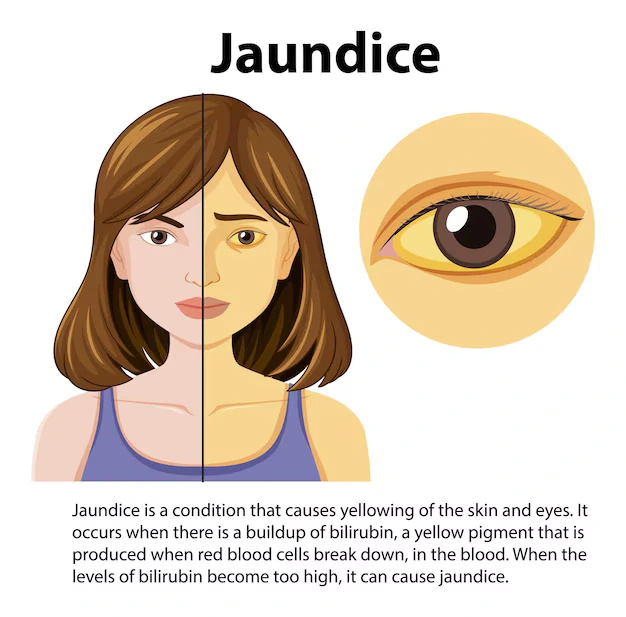
It occurs when bilirubin builds up in the bloodstream due to:
Even mild jaundice can cause slightly yellow eyes.
The liver processes bilirubin. When liver function is affected, bilirubin levels may rise.
Possible liver-related causes include:
Slight yellowing may be an early sign.
Dehydration can sometimes cause the eyes to appear dull or slightly yellowish.
Symptoms include:
Drinking adequate water usually improves eye appearance.
Some adults develop a mild yellowish tint in the eyes with age.
This may be related to:
This type of discoloration is usually harmless but should still be evaluated.
Certain habits can influence eye appearance.
Examples include:
Healthy lifestyle changes often improve eye clarity.
Sometimes yellowing may be due to local eye conditions rather than systemic disease.
Examples include:
An eye examination can identify these conditions.
Slight yellow eyes in adults may appear alone or with other symptoms.
Watch for:
These symptoms may indicate underlying medical conditions.
You should consult a doctor if:
Early diagnosis helps prevent complications.
When adults notice slightly yellow eyes, a professional eye examination is important to identify the exact cause. At Abate Eye Hospital, comprehensive eye evaluations help determine whether the discolouration is related to eye surface conditions, systemic health issues, or other underlying concerns.
Abate Eye Hospital in Kerala and Chennai uses advanced diagnostic technologies and experienced ophthalmologists to carefully assess eye health. During the examination, specialists evaluate the sclera, ocular surface, and overall visual health while also considering systemic factors that may contribute to yellowing of the eyes.
With eye care centres located in Kerala and Chennai, Abate Eye Hospital provides access to modern ophthalmic diagnostics and patient-focused treatment. If slightly yellow eyes are associated with eye conditions such as pinguecula, irritation, or dryness, appropriate treatment plans are recommended to restore eye comfort and clarity.
Early consultation with an eye specialist in Kerala and Chennai at Abate can help detect underlying issues at an early stage and ensure proper care. Abate Eye Hospital focuses on delivering reliable eye care through skilled specialists, advanced equipment, and a commitment to improving long-term vision health.
Doctors identify the cause through medical evaluation.
Diagnosis may include:
An eye specialist checks the sclera and eye surface for abnormalities.
Blood tests measure bilirubin levels and liver function.
These tests help identify liver problems.
Ultrasound or scans may be recommended if liver or bile duct issues are suspected.
Treatment depends on the underlying cause.
Mild cases may improve with:
If caused by liver conditions, treatment may include:
If yellowing is due to eye surface conditions, treatment may include:
Yes, sometimes.
Slight yellowing can be an early warning sign of liver disease or other medical problems.
However, mild discoloration may also result from harmless conditions.
Professional evaluation is the safest approach.
Preventive measures include:
Healthy habits support both liver and eye health.
Slightly yellow eyes in adults are not always normal and may indicate mild jaundice, dehydration, or liver problems. Persistent yellowing should be medically evaluated.
Yes. Dehydration may make the eyes appear dull or slightly yellow. Drinking adequate water may improve eye appearance.
No. Slightly yellow eyes in adults may also be caused by aging, eye surface growths, or lifestyle factors. A doctor can determine the exact cause.
Yes. Slight yellowing caused by dehydration or lifestyle factors may improve with proper care. Medical conditions require treatment.
Persistent or worsening yellow eyes should be evaluated by a doctor to rule out serious conditions.
Slightly yellow eyes in adults can result from various causes, ranging from mild dehydration to underlying liver conditions. While some cases are harmless, persistent yellowing should never be ignored.
Early evaluation helps identify the cause and ensures appropriate treatment. Maintaining healthy habits and regular medical checkups can help preserve both eye health and overall well-being.

Oct 17, 2026

Oct 8, 2026