Children rely heavily on their vision for learning, reading, writing, and exploring the world around them. However, many kids struggle with functional vision issues such as poor focusing, eye-teaming difficulties, reduced tracking ability, and visual processing delays. Vision therapy is a structured program designed to correct these problems, and one of the most effective, child-friendly approaches is vision therapy gaming.
In today’s digital age, therapy methods have evolved beyond traditional exercises. Vision therapy gaming uses interactive digital tools and gamified tasks to train the eyes and brain, making treatment more enjoyable and highly effective for kids. This guide explains how these gaming methods work, why they’re used, and which exercises benefit children the most.
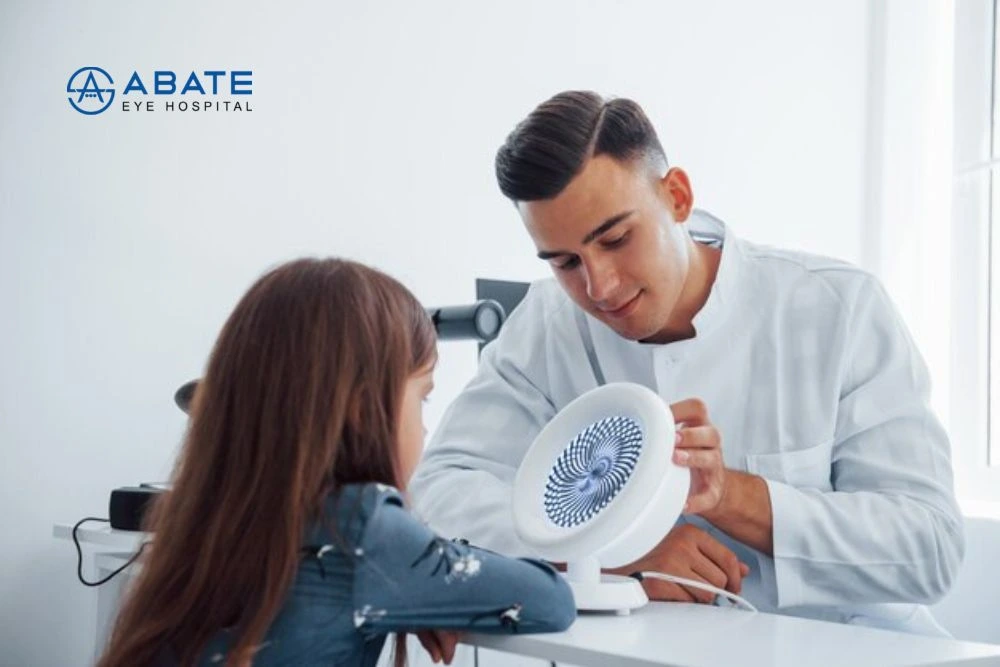
Vision therapy gaming refers to therapeutic exercises delivered through digital games, VR systems, and interactive screens. These games are designed by eye care professionals to target specific visual skills. Kids engage with therapy more consistently because it feels fun, competitive, and rewarding — not like a clinical task. If your child needs special attention, a pediatric ophthalmologist in Kerala and Chennai at Abate is the ideal option.
Not all vision problems involve needing glasses. Many children have functional vision issues that affect school performance and reading skills, such as:
Gaming-based therapy helps strengthen these weaker visual skills in a structured, playful, and effective way.
Below are some of the most commonly used and clinically approved amblyopia therapy for kids gaming techniques for improving children’s visual abilities.
These games help children follow moving objects smoothly and accurately — a critical skill for reading.
Examples include:
Benefits:
Improves reading fluency, reduces skipped lines, and enhances coordination.
These exercises train the eyes to work together and focus at different distances. Problems with eye teaming can cause double vision, headaches, and difficulty reading.
Common methods:
Benefits:
Strengthens eye alignment, reduces fatigue, and improves visual comfort.
Accommodation games help children quickly change focus between near and far objects — a skill important for classroom learning.
Game types:
Benefits:
Helps kids copy notes from the board, improves attention, and reduces blurred vision.
These games boost memory, cognitive skills, and visual recognition.
Examples:
Benefits:
Improves spelling, reading comprehension, and learning speed.
These games connect visual input with motor response, essential for writing, sports, and daily activities.
Game types:
Benefits:
Enhances coordination, reaction time, and fine motor skills.
These specialized games force both eyes to work together, reducing suppression of the weaker eye.
Methods include:
Benefits:
Strengthens the weaker eye and improves binocular vision.
Vision therapy gaming is usually a combination of:
The program is tailored to each child's specific visual needs and adjusted as they progress.
Although many apps are available online, true therapeutic gaming must be prescribed and monitored by an eye care professional. This ensures:
At Abate Eye Hospital, the best eye hospital in Chennai, Malappuram, Calicut, and Kannur, children receive structured and clinically guided vision therapy designed to correct functional vision issues through engaging, child-friendly gaming techniques. Each child is evaluated by our expert pediatric ophthalmologists, orthoptists, and optometrists who create personalized therapy plans that target eye tracking, focusing, coordination, and visual processing.
Abate offers advanced pediatric vision therapy services across multiple locations, ensuring parents can access quality care wherever they are. Vision therapy programs are available at our branches in Perinthalmanna (Malappuram), Calicut, Kannur, and Chennai, making it easier for families across South India to receive consistent, professional treatment for their children.
With advanced equipment, monitored progress plans, and innovative gaming-based therapy methods, Abate Eye Hospital helps children improve visual skills in a way that feels fun, motivating, and highly effective.