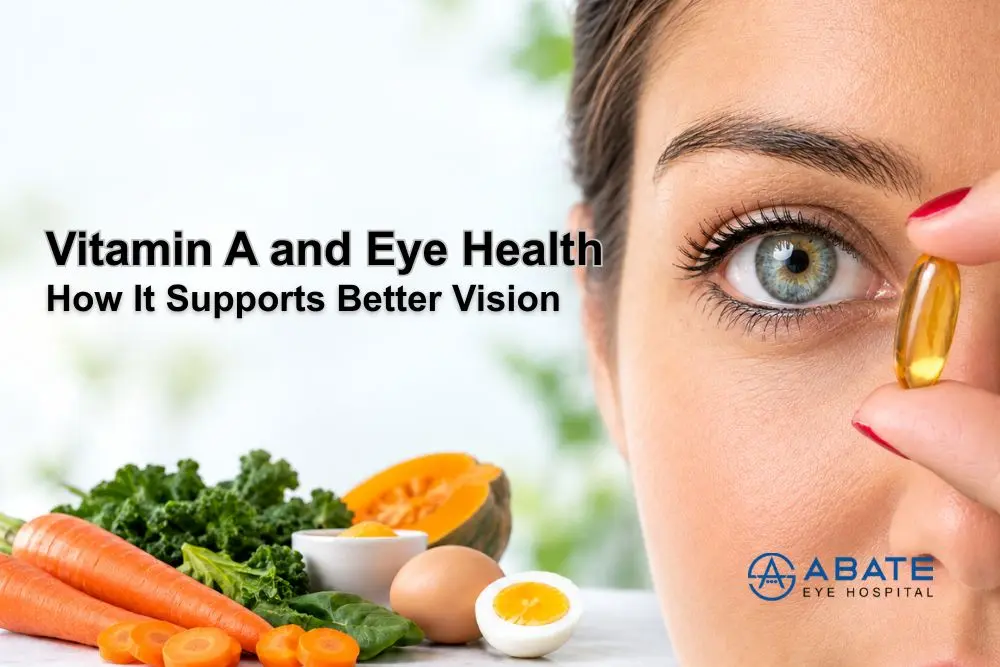
Good vision depends on several factors, including healthy eyes, proper nutrition, regular eye examinations, and overall health. Among the many nutrients involved in maintaining healthy eyes, vitamin A plays an important role.
Vitamin A supports normal vision, helps maintain the surface of the eye, and contributes to the normal function of the retina. However, getting enough vitamin A does not mean that every eye problem can be prevented or treated through diet alone. In this article, we explore the connection between vitamin A and eye health, its benefits, food sources, signs of deficiency, and when you should consult an eye specialist.
Vitamin A is a fat-soluble vitamin that the body needs for various critical tasks. It supports normal vision, immune function, skin health, and the maintenance of certain tissues.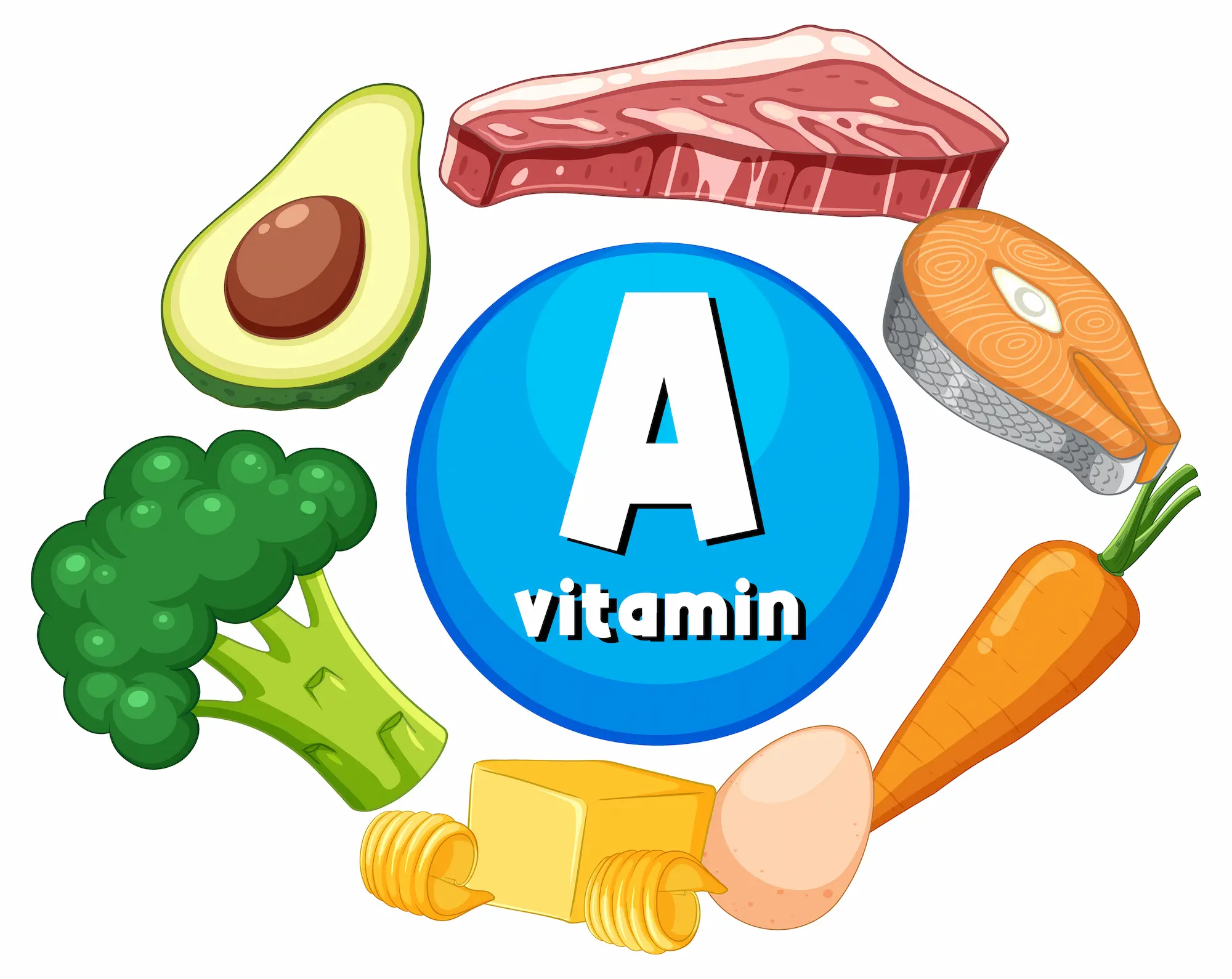
For eye health, vitamin A is particularly important because it contributes to the production of rhodopsin, a light-sensitive pigment found in the retina. Rhodopsin helps the eyes see in low-light conditions. Vitamin A also helps maintain the health of the cornea and other surface tissues of the eye.
One of the best-known roles of vitamin A is its involvement in night vision. The retina uses vitamin A-derived compounds to help detect light. A significant vitamin A deficiency can therefore lead to difficulty seeing in dim or dark environments.
The cornea is the clear outer layer at the front of the eye. Adequate vitamin A is important for maintaining healthy surface tissues, including the cornea. Severe deficiency can affect the cornea and may lead to serious eye complications.
Vitamin A contributes to the normal maintenance of epithelial tissues, including tissues that protect the surface of the eye. Severe deficiency can affect the tear-producing and surface tissues, potentially contributing to dryness and other eye problems.
Vitamin A works as part of several biological processes that contribute to normal eye function. However, healthy vision also depends on other nutrients, genetics, age, lifestyle, and the absence of eye diseases.
Vitamin A insufficiency can damage vision, particularly in low-light circumstances. One of the early symptoms may be night blindness, where a person finds it difficult to see in dim lighting or adjust from bright surroundings to darkness. More severe deficiency can cause serious damage to the eye and may threaten vision.
Possible signs include:
Vitamin A deficiency is more common in certain populations and can be associated with inadequate nutrition or conditions that affect nutrient absorption.
A balanced diet can provide vitamin A through both preformed vitamin A and provitamin A carotenoids.
Preformed vitamin A is found in foods such as:
Liver contains particularly high amounts of vitamin A, so it should not be consumed excessively.
Many colourful fruits and vegetables contain carotenoids such as beta-carotene, which the body can convert into vitamin A.
Good sources include:
Eating a variety of vegetables and fruits is generally a better approach than relying on one particular food for eye health.
Carrots are well known for their association with eye health because they contain beta-carotene, which the body can convert into vitamin A. However, eating more carrots does not normally make your eyesight sharper if you already get enough vitamin A. They can be part of a healthy diet, but they cannot correct refractive errors such as myopia, hyperopia, or astigmatism. If you have difficulty seeing clearly, an eye examination is important to identify the underlying cause.
Vitamin A is necessary for regular eye function, and preventing vitamin A deficiency is critical for maintaining healthy vision. However, vitamin A alone cannot prevent all eye diseases. Conditions such as cataracts, glaucoma, diabetic retinopathy, retinal diseases, and age-related eye conditions have multiple causes and risk factors. A balanced diet should therefore be considered part of overall eye care rather than a replacement for regular eye examinations or medical treatment.
Vitamin A plays a role in maintaining the health of the eye's surface, and severe deficiency can contribute to dryness and damage to the ocular surface. However, most cases of dry eye are not simply caused by a deficiency of vitamin A. Screen use, ageing, certain medications, contact lenses, environmental conditions, and other health factors can contribute to dry eye symptoms. If you have persistent dryness, burning, irritation, watering, or a feeling of something in your eye, an ophthalmologist can determine the underlying cause.
Not everyone needs vitamin A supplements. If you already get sufficient vitamin A through your diet, taking additional supplements may not provide extra eye-health benefits. Importantly, excessive intake of preformed vitamin A can be harmful and may cause toxicity. It is therefore better to speak with a doctor before taking high-dose vitamin A supplements, especially if you are already taking other nutritional supplements or medications.
Vitamin A is particularly important during childhood because children need adequate nutrition for normal growth and development. Severe vitamin A deficiency can have serious consequences for children's vision. A nutritious diet containing vegetables, fruits, dairy products, eggs, and other nutrient-rich foods can help provide essential vitamins and minerals.
Parents should also arrange appropriate eye examinations if a child shows signs such as:
Vitamin A is only one part of a healthy diet for the eyes. Other nutrients also contribute to normal eye function.
These include:
The best approach is to eat a varied and balanced diet rather than focusing heavily on a single nutrient.
Good nutrition supports eye health, but it cannot replace professional eye care.
You should schedule an eye examination if you experience:
Sudden vision loss or a rapid change in vision requires urgent medical attention.
A healthy lifestyle and balanced diet are important parts of maintaining good eye health. However, regular eye examinations are equally important for detecting eye conditions early. At Abate Eye Hospital in Calicut, Malappuram, Kannur, and Chennai, patients can receive comprehensive eye evaluations and specialist care for a wide range of vision and eye health concerns. If you are experiencing changes in your vision, an ophthalmologist can assess your eyes and recommend appropriate care based on your individual needs.
Yes. Vitamin A is essential for normal vision, particularly in low-light conditions, and helps maintain the health of the cornea and eye surface.
Foods such as carrots, sweet potatoes, pumpkin, spinach, eggs, dairy products, and liver contain vitamin A or compounds that the body can convert into vitamin A.
Vitamin A can support normal vision, particularly if a person is deficient. However, taking extra vitamin A does not normally improve eyesight beyond its normal level and cannot correct conditions such as myopia or astigmatism.
Yes. Difficulty seeing in low light, known as night blindness, is a well-known consequence of significant vitamin A deficiency.
You should not take high-dose vitamin A supplements without medical advice. Excessive amounts of preformed vitamin A can be harmful.
Carrots can be part of a healthy diet, but healthy vision depends on overall nutrition and eye health. Eating carrots alone cannot prevent or treat all eye conditions.
Vitamin A and eye health are closely connected, particularly because vitamin A supports normal vision and helps maintain the cornea and surface of the eye. A balanced diet containing vitamin A-rich foods can contribute to overall eye health.
However, nutrition is only one part of protecting your vision. Regular eye examinations, managing health conditions, protecting your eyes from UV exposure, avoiding smoking, and seeking medical attention for changes in vision are all important for long-term eye health.