A child experiences the world primarily through sight. From recognising parents to learning letters at school, vision plays a central role in early development. Yet, many childhood eye problems progress quietly, showing no obvious warning signs. This is why visual acuity testing in paediatrics is not just a routine check-up. It is a vital step in ensuring a child’s healthy growth, learning ability, and confidence.
At Abate Eye Hospital, paediatric vision care is approached with precision, patience, and compassion. With pediatric ophthalmologists in Kerala and Chennai, Abate provides dedicated children’s eye services designed to detect vision problems early and treat them effectively.
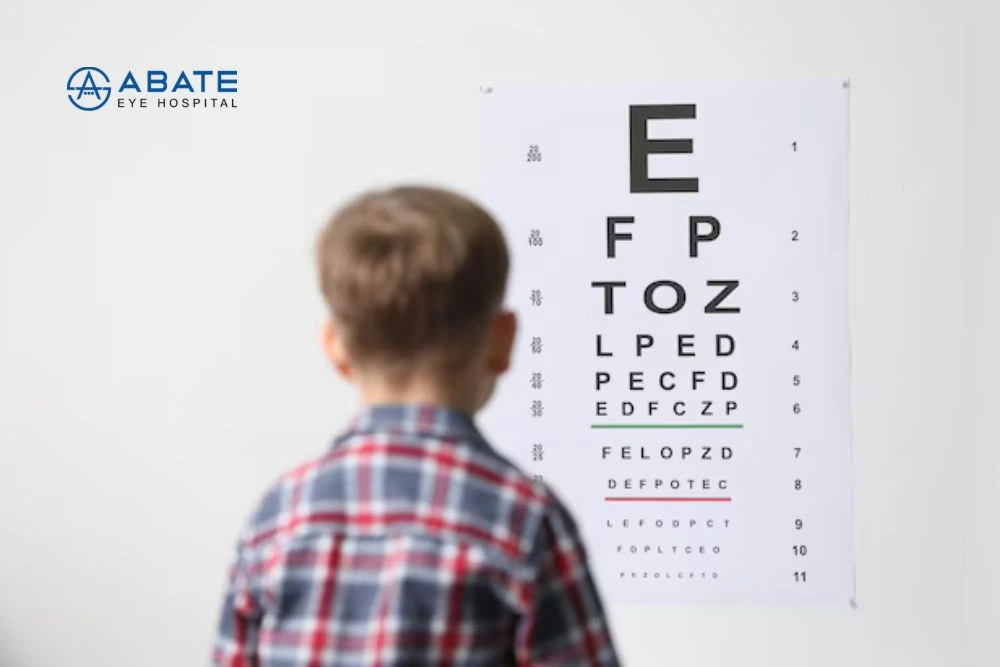
Visual acuity refers to how clearly the eyes can distinguish shapes, letters, or objects at a given distance. In children, this measurement also reflects how well the visual system is developing. Unlike adults, children may not recognise or communicate that their vision is blurred. They naturally adapt by sitting closer to the television, holding books too near, or avoiding activities requiring sharp focus.
Because of this silent adaptation, many parents discover vision issues only after a child struggles in school or shows behavioural changes. Visual acuity testing bridges this gap by identifying reduced vision before it affects daily life.
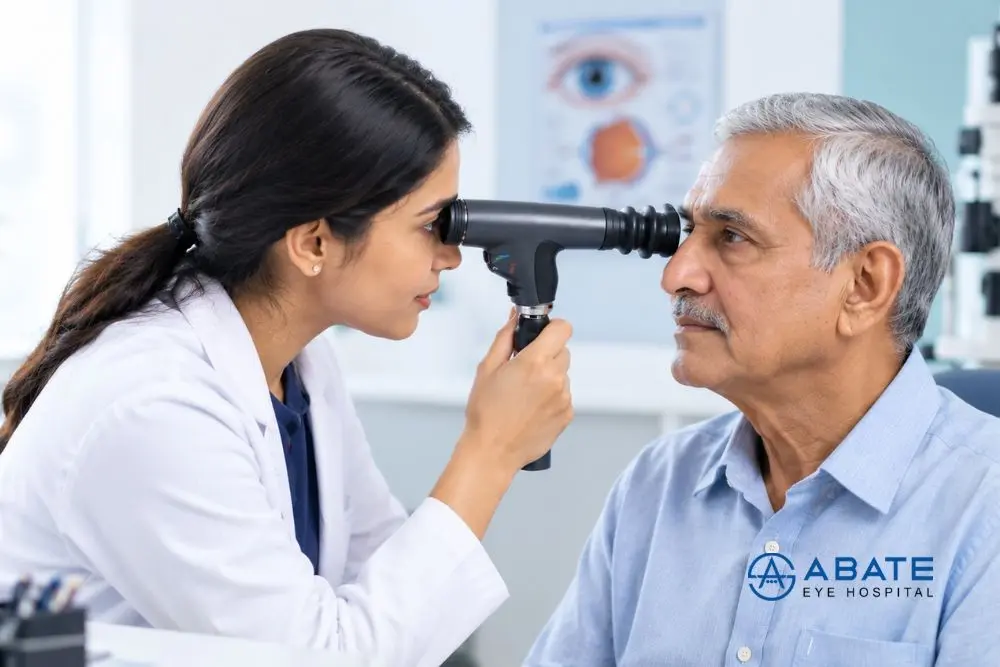
Testing vision in children is not the same as testing adults. A paediatric eye examination is designed around a child’s age, attention span, and communication ability.
At Abate Eye Hospital, paediatric ophthalmologists use child-friendly techniques such as:
These methods allow accurate testing even when a child cannot read or follow complex instructions.
The early years of life are critical for visual development. If the brain does not receive clear images from both eyes during this period, permanent vision reduction may occur. Many paediatric eye conditions are treatable, but only if detected in time.
Regular visual acuity screening helps:
In simple terms, early eye testing protects a child’s present and future.
A routine paediatric visual acuity test can uncover a variety of eye conditions, including:
Blurred vision due to improper focusing of light inside the eye. Glasses or contact lenses usually correct this easily.
One eye fails to develop normal vision. If diagnosed early, patching therapy or special lenses can restore sight.
Misaligned eyes may cause double vision or reduced depth perception. Treatment may include glasses, therapy, or surgery.
Cloudiness in the eye’s natural lens is present from birth. Early surgical care is crucial for vision development.
Certain children may have visual problems linked to neurological or genetic conditions requiring specialised care.
Abate’s paediatric specialists perform further investigations if screening indicates any abnormal findings.
Many parents wait until school admission for the first eye test. However, vision assessment should start much earlier.
Recommended schedule:
Children with a family history of eye disease or premature birth may require more frequent check-ups.
Children rarely complain about poor eyesight. Parents should look for:
These signs indicate the need for an immediate paediatric eye consultation.
At Abate Eye Hospital, children are examined in a calm, friendly environment designed to reduce fear and anxiety. Every centre, whether the eye hospital in Kerala or Chennai, follows the same high standards of paediatric care.
Facilities include:
The goal is to make every child feel comfortable while ensuring precise and reliable test results.
If a visual acuity test reveals a concern, Abate specialists create a personalised treatment plan. Depending on the diagnosis, treatment may involve:
Parents receive clear guidance on home care, follow-ups, and progress monitoring.
Children’s eyes continue developing as they grow. Even after treatment begins, periodic reviews are necessary to:
Abate Eye Hospital maintains structured follow-up schedules to ensure every child achieves the best possible visual outcome.
Professional eye care works best when supported by healthy habits at home. Parents can:
These small steps contribute significantly to strong visual development.
Modern lifestyles have increased the risk of childhood eye strain and early-onset refractive errors. Extended screen exposure, reduced outdoor activities, and academic stress make regular vision testing more important than ever. A simple visual acuity test can prevent long-term complications that may otherwise affect a child’s education and self-esteem.
Abate Eye Hospital has earned a reputation for excellence in ophthalmic care across Kerala and Chennai. Combining medical expertise with advanced technology and compassionate service, Abate delivers reliable paediatric eye care to thousands of families every year.
With accessible centres in four key locations, parents can seek trusted eye care close to home while receiving world-class clinical standards.
Visual acuity testing in paediatrics is not merely a screening tool—it is a safeguard for a child’s future. Detecting vision problems early opens the door to timely treatment, better academic performance, and confident social development.
At Abate Eye Hospital, paediatric eye specialists across Malappuram, Calicut, Kannur, and Chennai are committed to protecting every child’s vision through accurate diagnosis, modern treatment, and gentle care. Because when a child sees clearly, the world becomes a place of endless possibilities.