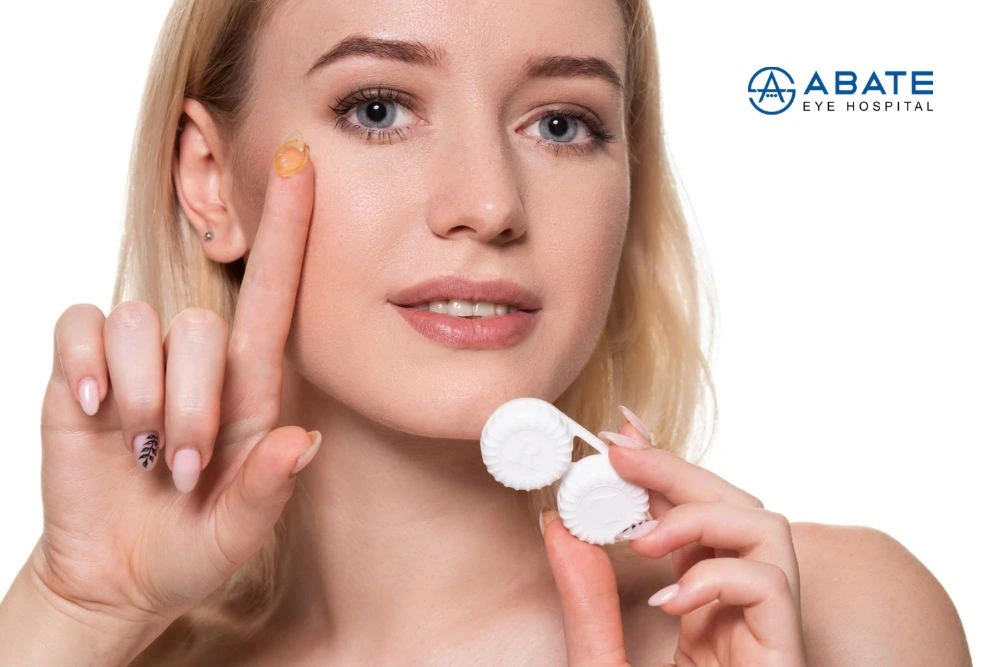
Colored contact lenses have become increasingly popular among people who want to enhance or completely change the appearance of their eyes. From subtle natural shades to bold cosmetic designs, colored contacts are widely used for fashion, beauty, special occasions, and even vision correction.
However, one common question many people ask is: “Is it bad to wear colored contacts every day?”
The answer depends on several factors, including the quality of the lenses, proper hygiene, wearing duration, eye health, and whether the lenses are prescribed by an eye specialist. While colored contact lenses can generally be worn safely when used correctly, improper use may increase the risk of eye irritation, infections, dryness, and serious complications.
This complete guide explains the safety of daily colored contact lens use, potential risks, proper care methods, and expert eye care tips for maintaining healthy vision.
Colored contact lenses are specially designed lenses that alter the appearance of the iris, the colored part of the eye. Some colored contacts are purely cosmetic, while others also correct refractive errors such as:
Colored lenses are available in various types, including:
Modern colored contacts are made using soft lens materials designed for comfort and flexibility.
Yes, many people wear colored contact lenses daily without problems, provided the lenses are:
However, daily use requires careful eye care because contact lenses sit directly on the eye surface and can affect oxygen flow to the cornea.
Improper lens habits may gradually damage eye health.
Wearing colored contacts every day is not necessarily harmful, but problems can develop if:
The risk increases significantly when lenses are purchased without professional guidance or proper fitting.
Many people mistakenly believe cosmetic lenses are safer because they are used for appearance rather than vision correction. In reality, all contact lenses are medical devices that require proper usage and care.
The cornea needs oxygen to remain healthy. Contact lenses partially reduce oxygen transmission, and poor-quality lenses may worsen this issue.
Without proper care, daily colored lens use may lead to:
Dryness is one of the most common issues among regular contact lens users.
Symptoms may include:
Wearing lenses for extended hours can worsen dryness.
Poor hygiene increases the risk of bacterial, fungal, or viral infections.
Common causes include:
Severe infections can affect the cornea and threaten vision.
The cornea does not contain blood vessels and receives oxygen directly from the air.
Continuous lens wear may reduce oxygen supply, especially with low-quality cosmetic lenses. This can lead to:
Some people may develop sensitivity to:
This can cause itching, redness, and watering eyes.
Improperly fitted or damaged lenses may scratch the corneal surface.
Symptoms include:
Corneal injuries require immediate medical attention.
Low-cost lenses purchased from unverified sellers may carry serious risks.
These lenses may:
Unregulated cosmetic lenses are more likely to cause infections and eye injuries.
Every eye has a unique shape and size. Improperly fitted lenses may:
Professional eye examinations help ensure proper lens fitting and safe usage.
The safe wearing duration depends on:
Most specialists recommend limiting contact lens wear to the prescribed duration and avoiding excessive daily use.
Wearing lenses beyond recommended hours may increase dryness and irritation.
Sleeping with colored contacts is strongly discouraged unless specifically approved by an eye specialist.
Sleeping with lenses increases the risk of:
Overnight lens wear significantly raises the chance of complications.
You should temporarily stop lens use and seek professional advice if you experience:
Ignoring symptoms may worsen eye damage.
Proper eye care can greatly reduce the risk of complications.
Always clean your hands thoroughly before touching contact lenses.
Dirty hands may transfer bacteria directly to the eye.
Use recommended lens cleaning solutions and never use:
Improper cleaning increases infection risk.
Do not continue using expired or damaged lenses.
Follow the recommended replacement schedule for:
Sharing lenses can spread infections and expose the eyes to harmful bacteria.
Contact lenses should never be shared, even with family members.
Allowing the eyes periodic breaks from lenses may help reduce dryness and irritation.
Many people alternate between glasses and contact lenses.
Routine eye examinations help monitor:
Professional monitoring becomes especially important for daily lens users.
Poorly fitted or low-quality lenses may affect visual clarity.
Possible problems include:
Prescription lenses fitted correctly generally provide better visual comfort.
Teenagers can use colored contact lenses safely under proper supervision and professional guidance.
Parents should ensure:
Unsafe cosmetic lens use is more common among younger users purchasing lenses without medical advice.
Yes, improper lens use can seriously damage the cornea.
Potential complications include:
This is why corneal health monitoring is essential for regular contact lens users.
The cornea is extremely sensitive and vulnerable to infection and dryness from improper lens wear.
Individuals experiencing persistent irritation, dryness, or redness should seek professional evaluation from specialists experienced in corneal care and contact lens-related eye conditions. Seek advice from a cornea specialist in Kerala for better solutions.
Some individuals may need extra caution or avoid regular contact lens use altogether.
This may include people with:
An eye specialist can determine whether daily lens use is suitable.
When selecting colored contacts:
Eye safety should always be prioritized over cosmetic appearance.
Professional eye examinations help:
Even cosmetic contact lens users should undergo regular eye evaluations.
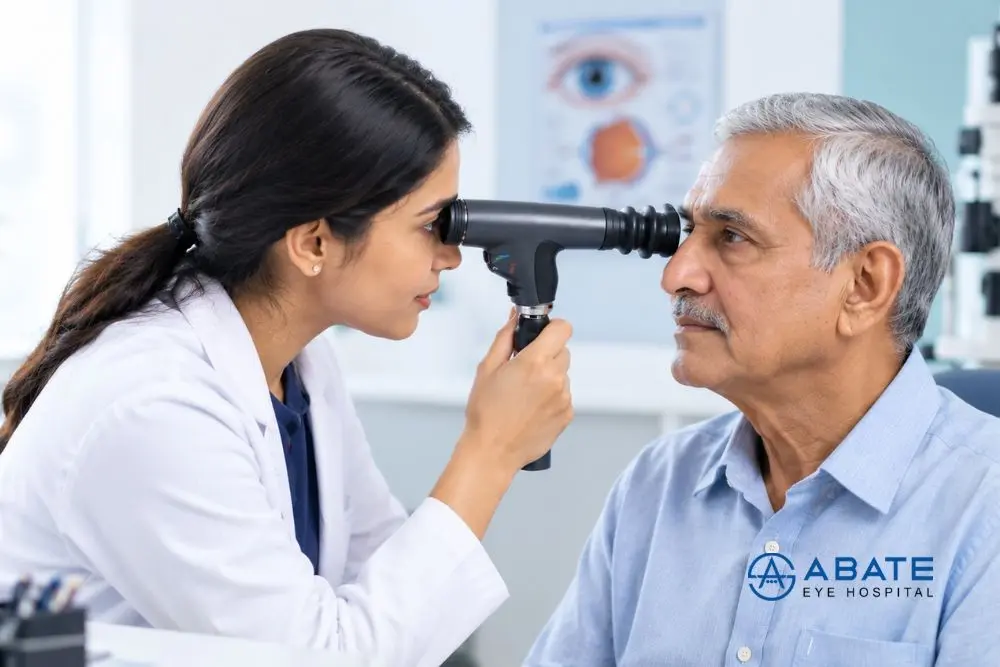
At Abate Eye Hospital, comprehensive eye evaluations help ensure safe contact lens usage and long-term corneal health. Experienced eye specialists provide detailed eye examinations, corneal assessment, and personalized guidance for contact lens users.
The hospital focuses on:
With modern ophthalmic infrastructure across Kerala and Chennai, patients receive reliable and professional eye care focused on comfort, safety, and healthy vision.
So, is it bad to wear colored contacts every day? Not necessarily. Colored contacts can be worn safely with proper hygiene, professional fitting, and responsible use. However, daily misuse or poor-quality lenses can lead to serious eye complications, including infections, dryness, and corneal damage.
Protecting eye health should always be the priority. Choosing medically approved lenses, following proper care routines, and attending regular eye checkups can help maintain both healthy vision and comfortable lens wear over the long term.