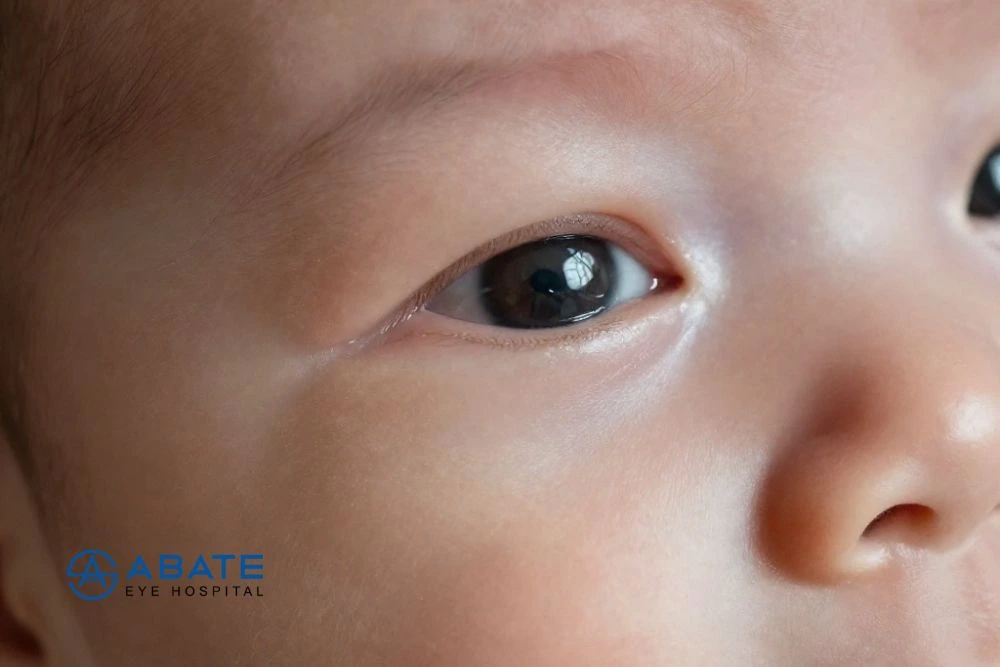
Newborn babies often experience minor eye-related issues during the first few months after birth. One of the most common concerns parents notice is excessive watering or tearing from the baby’s eyes. Seeing constant tears, sticky discharge, or wetness around the eyes can naturally make parents anxious.
In many cases, newborn eye watering is harmless and temporary. However, persistent tearing may sometimes indicate blocked tear ducts, eye infections, irritation, or other eye conditions that require medical attention.
Understanding the causes, symptoms, and treatment options for newborn eye watering helps parents identify when simple care is enough and when professional eye evaluation becomes necessary.
This complete guide explains everything parents should know about newborn eye watering, including causes, home care, warning signs, and treatment approaches.
Newborn eye watering refers to excessive tearing or continuous moisture around a baby’s eyes. Some babies may have tears collecting near the eyelids, while others may develop sticky discharge or crusting around the eyes.
The condition may affect:
In most newborns, watering occurs because the tear drainage system is not fully developed after birth.
Tears help keep the eyes moist, clean, and protected. Normally, tears drain through tiny openings located near the inner corners of the eyelids. These drainage channels carry tears into the nose through the tear ducts.
In newborns, these tear ducts may sometimes remain partially blocked or underdeveloped, causing tears to overflow onto the cheeks instead of draining properly.
Several conditions may lead to watering eyes in babies.
A blocked tear duct is the most common cause of newborn eye watering.
This occurs when:
Because tears cannot drain normally, they collect around the eyes and spill over the eyelids.
The condition is usually harmless and often improves naturally during infancy.
Eye infections may also cause watering and discharge.
Infections may occur due to:
Eye infections in newborns require medical attention because untreated infections may lead to complications.
Dust, smoke, strong fragrances, or environmental irritants may temporarily irritate a baby’s eyes and increase tearing.
Babies have highly sensitive eyes, making them more vulnerable to irritation.
Although less common in newborns, allergies may occasionally contribute to watery eyes and mild irritation.
Rarely, excessive tearing may be linked to congenital eye problems such as:
These conditions usually involve additional symptoms and require immediate evaluation.
Symptoms vary depending on the underlying cause.
The severity of symptoms may differ from one baby to another.
Mild tearing is common during infancy, especially due to blocked tear ducts. Many babies improve naturally as the tear drainage system matures over time.
However, persistent symptoms should not always be ignored, especially when redness, swelling, or discharge develops.
Many blocked tear ducts improve naturally within the first several months of life.
In most babies:
However, persistent blockage beyond infancy may require professional treatment.
Gentle eye care can help reduce discomfort and maintain hygiene.
Parents can gently clean the baby’s eyes using:
Always wipe gently from the inner corner outward using separate clean cotton for each eye.
Doctors may sometimes recommend gentle tear duct massage to help open the blocked drainage pathway.
Massage should only be performed after proper medical guidance.
Good hygiene helps reduce infection risk.
Medical evaluation becomes important if symptoms include:
These symptoms may indicate infection or other serious eye conditions.
Simple blocked tear ducts usually do not affect vision.
However, untreated infections or congenital eye diseases may potentially impact eye health and visual development if ignored.
Early diagnosis helps protect healthy vision development.
Congenital glaucoma is a rare but serious condition that can cause:
This condition occurs due to increased pressure inside the eye and requires immediate specialist care.
Parents should never ignore severe watering combined with light sensitivity or enlarged eyes.
Eye specialists perform detailed evaluations to determine the exact cause.
Examinations may include:
Proper diagnosis ensures appropriate treatment.
Treatment depends on the underlying cause.
Many blocked tear ducts improve naturally with time and regular monitoring.
If infection is present, antibiotic medications may be prescribed.
Parents should never use over-the-counter eye drops without medical advice for newborns.
Persistent tear duct blockage may occasionally require a small procedure called probing to open the drainage pathway.
This is generally performed safely by pediatric eye specialists.
Rare congenital conditions affecting the eyes may require advanced medical or surgical care.
Not all cases can be prevented, especially congenital tear duct blockage. However, maintaining proper hygiene and early medical evaluation can reduce complications.
Helpful preventive measures:Early eye care plays an important role in protecting visual development during infancy and childhood.
Regular pediatric eye evaluations help:
Early diagnosis often leads to better outcomes.
Most newborn eye watering cases are caused by blocked tear ducts, not infections.
Most blocked tear ducts improve naturally without surgery.
Although many cases are mild, persistent symptoms with redness or swelling should be medically evaluated.
Parents often become worried when they notice eye discharge or continuous tearing in their newborn.
Understanding that many cases are temporary and treatable can provide reassurance. However, professional evaluation is always important if symptoms persist or worsen.
At Abate Eye Hospital, pediatric eye care focuses on early diagnosis, gentle evaluation, and personalized treatment for newborns and children. Experienced pediatric ophthalmologists assess eye watering, tear duct blockage, infections, and other childhood eye conditions using advanced diagnostic support and child-friendly care approaches.
The hospital provides:
With the best pediatric ophthalmologist in Kerala and Chennai, families receive reliable pediatric ophthalmology care focused on protecting healthy vision development.
Newborn eye watering is a common condition that often occurs due to blocked tear ducts or mild irritation. In many babies, symptoms improve naturally as the tear drainage system develops. However, persistent tearing, redness, swelling, or discharge should not be ignored because these signs may indicate infection or other eye conditions requiring medical care.
Early evaluation by a pediatric ophthalmologist in Calicut, Kannur, Malappuram, and Chennai at Abate helps ensure accurate diagnosis, safe treatment, and healthy visual development for newborns and infants.