Seeing things through one eye can be scary, especially when you start seeing blurry, foggy, or unclear visions. Some people describe it as looking through smoke, mist, or a dirty glass window. While temporary foggy vision may occur due to minor eye strain or dryness, persistent or sudden vision changes should never be ignored.
If you experience foggy vision in just one eye, it might actually be a symptom of an eye disorder needing urgent treatment. Early diagnosis is important because certain eye diseases can progress silently and lead to permanent vision loss if left untreated.
This complete guide explains the possible causes of foggy vision in one eye, associated symptoms, available treatments, and when you should consult an eye specialist.
Foggy vision in one eye refers to reduced visual clarity affecting only a single eye. Instead of sharp and clear vision, the affected eye may experience:
The severity can vary from mild visual disturbance to significant vision impairment.
Some people experience foggy vision temporarily, while others may notice gradually worsening symptoms over time.
Depending on the cause, foggy vision may occur along with:
Associated symptoms often help doctors identify the underlying problem.
Several eye and health conditions can cause foggy or cloudy vision in one eye.
Foggy vision is also very likely to occur due to cataracts, which are a common eye problem that mostly affects the elderly population.
A cataract develops when the natural lens inside the eye becomes cloudy, gradually reducing visual clarity.
Cataracts typically happen gradually and might at first affect one eye more than the other.
Insufficient tear production or poor tear quality can temporarily affect vision clarity.
Dry eyes may cause:
Foggy vision from dry eyes often improves after blinking or using lubricating drops.
The cornea is the clear outer layer of the eye responsible for focusing light.
Corneal conditions that may cause foggy vision include:
Corneal damage may significantly affect vision quality.
Infections affecting the eye surface or internal eye structures can cause:
Common eye infections include conjunctivitis and keratitis.
Immediate treatment is important to prevent complications.
The retina plays a critical role in vision. Retinal damage could also lead to foggy vision.
Retinal conditions include:
Retinal diseases often require urgent medical evaluation.
Glaucoma occurs due to damage to the optic nerve, often associated with increased eye pressure.
Some forms of glaucoma may cause:
Acute glaucoma can become a medical emergency.
The optic nerve carries visual information from the eye to the brain.
Conditions affecting the optic nerve include:
These conditions may cause:
Changes inside the vitreous gel of the eye may sometimes create visual disturbances.
People may notice:
Sudden onset requires prompt retinal evaluation.
Uncorrected refractive errors such as:
may occasionally cause blurred or unclear vision in one eye.
Some migraines may temporarily affect vision.
Visual symptoms can include:
Symptoms usually improve after the migraine episode resolves.
Complications that occur from diabetes can impact the different areas in the eyes, causing:
Blood sugar fluctuations can temporarily change vision clarity.
Long-term uncontrolled diabetes may seriously damage vision.
Stress and fatigue may contribute to temporary visual disturbances in some individuals.
However, persistent or severe foggy vision should never be assumed to be stress-related without proper eye evaluation.
Unexpected changes in vision could mean eye problems that require immediate attention.
Seek urgent medical attention if foggy vision occurs with:
These complications may be signs of detached retina, glaucoma, or neurologic emergencies.
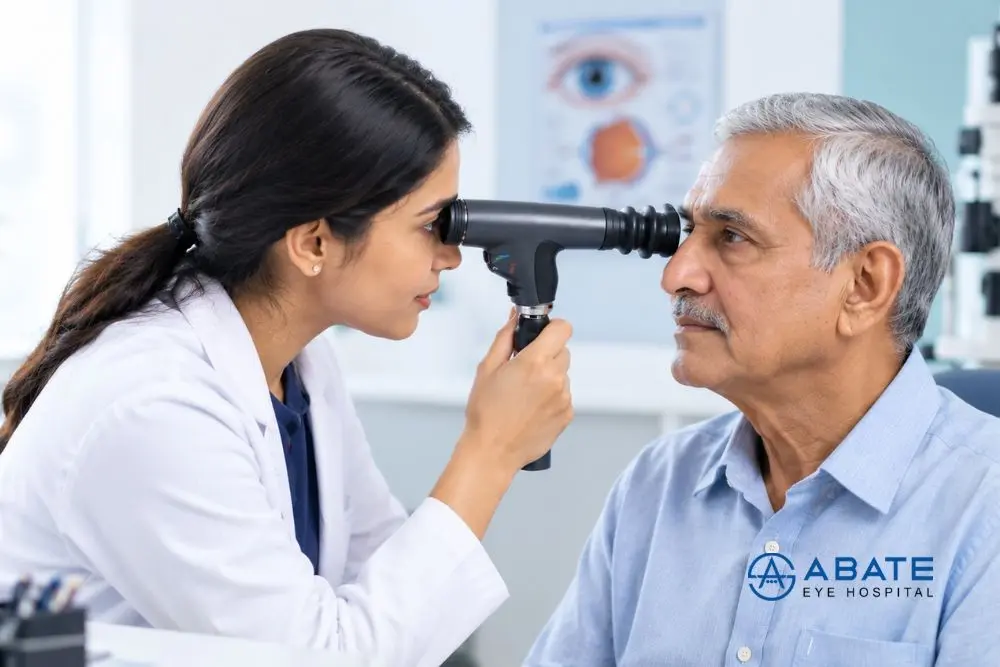
Eye specialists perform comprehensive examinations to identify the cause.
Diagnostic tests may include:
Advanced diagnostics help ensure accurate treatment planning.
Treatment depends entirely on the underlying condition.
Advanced cataracts are commonly treated with cataract surgery, where the cloudy lens is replaced with an artificial lens. The cataract surgery cost in Kerala and Chennai may vary depending on factors such as the type of lens selected, the treatment method, diagnostic requirements, and the overall condition of the patient’s eyes.
Dry eye treatment may include:
Corneal care may involve:
Retinal disorders may require:
Glaucoma management focuses on reducing eye pressure using:
Early treatment helps protect optic nerve health. Looking for advanced glaucoma treatment in Kerala or Chennai? Abate Eye Hospital offers expert glaucoma care supported by experienced specialists and modern diagnostic technology.
Although not all eye conditions can be prevented, healthy habits may reduce risks.
Consult an eye specialist if:
Early diagnosis can prevent permanent complications. Choose the trusted eye specialist in Kerala or Chennai from Abate to avoid complications.
Many serious eye diseases begin silently without noticeable pain.
Regular eye examinations help:
Routine eye care plays an important role in preserving long-term vision.
At Abate Eye Hospital, the best eye hospital in Calicut, Kannur, Malappuram, and Chennai, patients experiencing foggy vision receive a comprehensive eye evaluation supported by advanced diagnostic systems and experienced ophthalmologists. The hospital provides specialized care for cataract, retina, glaucoma, cornea, and neuro-ophthalmic conditions affecting vision clarity.
Abate Eye Hospital offers:
With modern ophthalmic infrastructure across Kerala and Chennai, patients receive reliable and structured eye care focused on accurate diagnosis and long-term vision protection.
Foggy vision in one eye should never be ignored, especially when symptoms appear suddenly or worsen over time. While some causes may be temporary and harmless, others can indicate serious eye conditions requiring immediate treatment.
Early diagnosis plays a major role in protecting vision and preventing complications. If you notice persistent blurry, cloudy, or hazy vision in one eye, consulting an experienced eye specialist is the safest step toward preserving healthy eyesight.