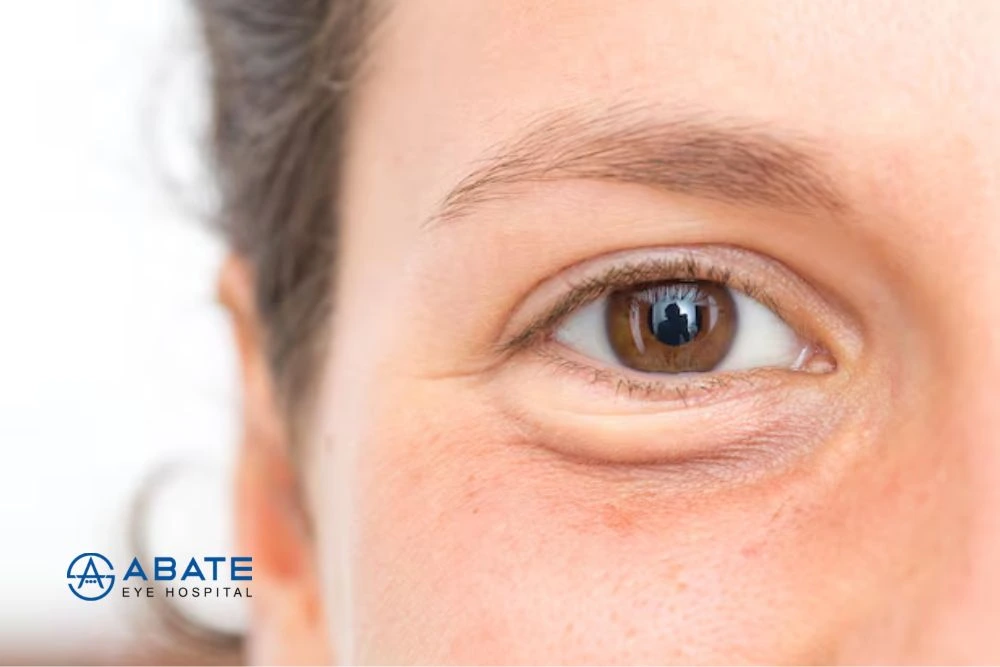
Puffy eyes are a common concern that can affect people of all ages. Whether it appears after a sleepless night or becomes a persistent issue, puffiness around the eyes can impact both appearance and comfort. While it is often harmless, in some cases it may indicate an underlying condition that requires attention.
In this blog by the Abate Eye Hospital, the best eye hospital in Calicut, Malappuram, Kannur and Chennai, we can understand the causes of puffy eyes, how to manage them, and when to seek medical advice, which can help maintain healthy and refreshed-looking eyes.
Puffy eyes refer to swelling or mild fluid retention around the eyes, especially in the under-eye area. The skin around the eyes is delicate and thin, making it more prone to visible changes such as swelling, discoloration, or sagging.
Puffiness can be temporary or long-lasting depending on the cause.
Puffy eyes can develop due to a variety of reasons, ranging from lifestyle habits to medical conditions.
One of the most common causes. Poor sleep can lead to fluid accumulation under the eyes, making them appear swollen.
As the body ages, tissues around the eyes weaken and fat may shift forward, creating a puffy appearance.
Excess salt intake, hormonal changes, or dehydration can cause the body to retain fluid, leading to swelling around the eyes.
Allergic reactions can cause inflammation, itching, and puffiness around the eyes.
Emotional crying increases blood flow to the eye area, resulting in temporary swelling.
Long hours in front of screens can lead to eye fatigue and puffiness.
Some individuals naturally have a tendency toward under-eye puffiness due to inherited traits.
In certain cases, puffy eyes may be linked to conditions such as:
Puffy eyes may be accompanied by:
If symptoms are severe or persistent, medical evaluation is recommended.
Mild puffiness can often be managed with simple home remedies.
Applying a cold compress helps reduce swelling by constricting blood vessels.
Getting 7–8 hours of quality sleep helps prevent fluid buildup around the eyes.
Drinking enough water helps reduce fluid retention.
Limiting salty foods can prevent water retention that leads to puffiness.
Sleeping with the head slightly elevated prevents fluid from accumulating under the eyes.
Rubbing can irritate the skin and worsen puffiness.
If puffiness is persistent or severe, professional treatment may be required.
Antihistamines or anti-inflammatory medications may be prescribed for allergies.
Treatment depends on the underlying cause, such as managing thyroid-related eye issues or infections.
In some cases, procedures like eyelid surgery (blepharoplasty), a type of oculoplasty treatment in Kerala and Chennai, may be recommended to remove excess fat or skin.
While often confused, puffy eyes and dark circles are different conditions.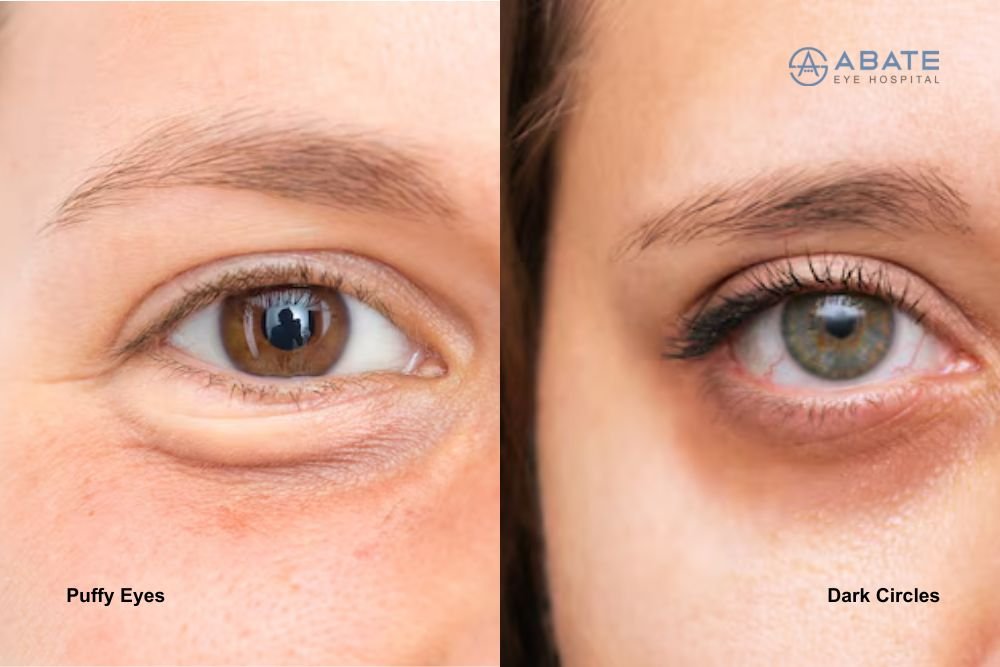
Both may occur together but require different treatments.
Medical consultation is recommended if:
Early diagnosis helps address underlying conditions effectively. Abate Eye Hospital’s expert surgeon is performing the best oculoplasty treatment in Chennai and Kerala.
Simple lifestyle changes can help prevent puffiness.
Consistency in these habits can improve overall eye health.
At Abate Eye Hospital, a comprehensive evaluation is provided to identify the exact cause of puffy eyes. The approach focuses on both medical and cosmetic aspects to ensure effective results.
Advanced diagnostic methods help detect underlying conditions, while personalised treatment plans are designed based on individual needs. From managing allergies to performing specialised procedures, expert care is provided to restore comfort and appearance.
With centres across Kerala and Chennai, patients have access to reliable and high-quality eye care supported by experienced specialists. If you are worried about puffy eyes, our eye specialist in Kerala and Chennai is ready to serve you with the best results.
Puffy eyes are a common issue that can result from lifestyle factors, ageing, or medical conditions. While often temporary, persistent puffiness should not be ignored. Understanding the cause is the first step toward effective treatment.
With proper care, healthy habits, and expert guidance, it is possible to reduce puffiness and maintain a refreshed, comfortable appearance. If symptoms continue or worsen, consulting an eye specialist ensures timely and appropriate care.
Oct 19, 2026
Oct 17, 2026