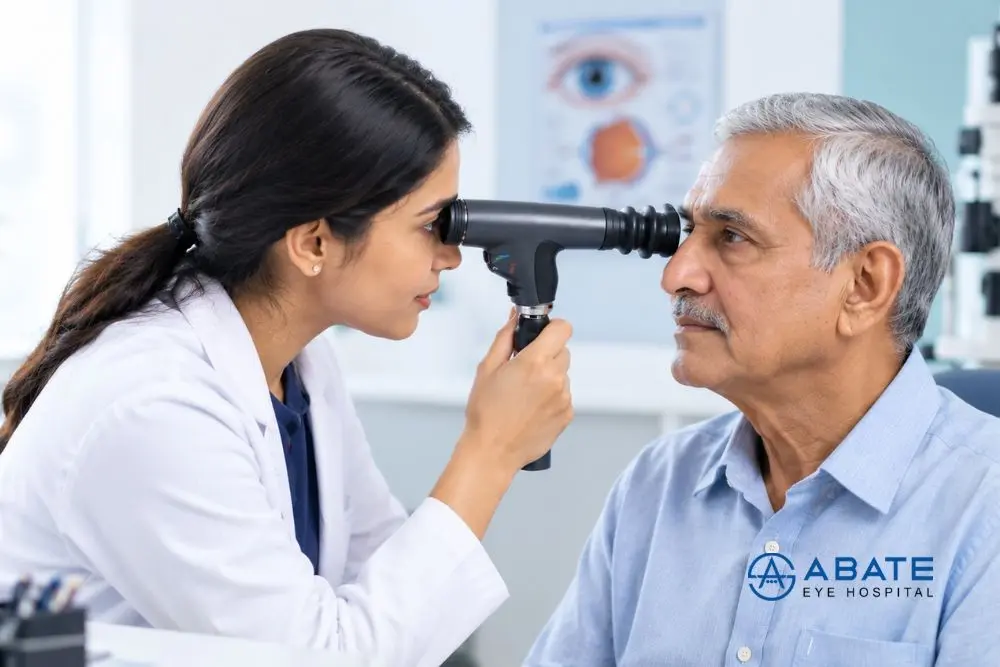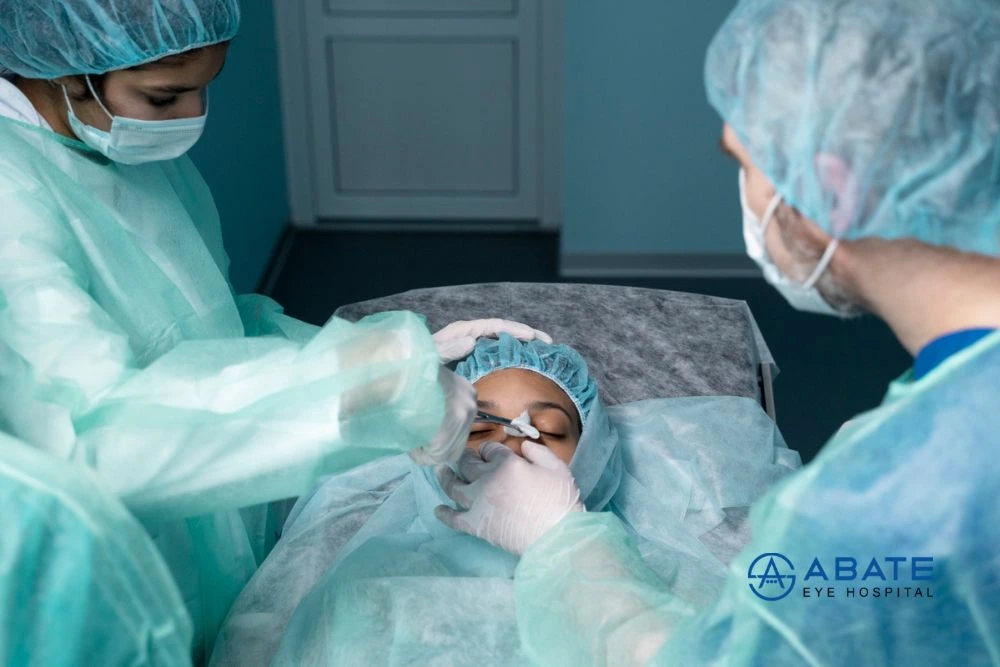
The eye socket, medically known as the orbit, plays a vital role in protecting the eye and supporting its movement. Any disorder affecting this area can impact vision, eye function, and facial appearance. Orbital surgery is a specialised branch of ophthalmology that focuses on diagnosing and treating conditions involving the eye socket, surrounding tissues, muscles, and nerves.
With advancements in medical technology and surgical techniques, orbital surgery today offers safe, precise, and effective solutions for both functional and reconstructive eye concerns.
Orbital surgery refers to a group of surgical procedures performed to treat diseases, injuries, or abnormalities of the eye socket (orbit). These surgeries may be required to restore normal eye position, relieve pressure on the optic nerve, remove tumors, repair fractures, or correct deformities affecting the orbit.
Orbital procedures are often performed by specially trained ophthalmic plastic and reconstructive surgeons, commonly known as oculoplasty specialists. At Abate Eye Hospital, you will get advanced oculoplasty treatment in Chennai and Kerala.
Orbital surgery is recommended for a wide range of medical and structural conditions, including:
Accurate diagnosis and timely surgical intervention help prevent vision loss and restore facial balance.
Depending on the condition, different surgical techniques are used.
Performed mainly for thyroid eye disease, this procedure removes bone or fat around the orbit to relieve pressure and reduce eye bulging.
Reconstructive surgery is used to repair broken orbital bones caused by trauma, restoring eye position and facial symmetry.
Surgical excision of benign or malignant tumors within the orbit to protect vision and prevent further complications.
Removal of lacrimal gland tumors or diseased tissue affecting tear production and orbital comfort.
A specialised procedure to relieve pressure on the optic nerve caused by orbital disorders.
Orbital surgery is carried out in a controlled surgical environment using high-precision instruments and advanced imaging guidance. The approach depends on the condition, but modern techniques focus on:
Most procedures are performed under general anesthesia, with post-operative care focused on safety and comfort.
Recovery varies based on the procedure performed. Mild swelling and bruising around the eye are common during the initial days. Medications and protective eye care are prescribed to promote healing. Follow-up visits ensure proper recovery and monitor visual function.
Most patients return to normal activities within a few weeks, depending on the complexity of the surgery.
Orbital surgery requires specialised training and experience due to the delicate structures involved. Choosing a well-equipped eye hospital with skilled oculoplasty surgeons is crucial for safe and successful outcomes.
Abate Eye Hospital is recognised for delivering advanced oculoplasty and orbital surgery services in Kerala and Chennai. With hospitals in Malappuram, Calicut, Kannur, and Chennai, Abate offers the best oculoplasty treatment in Kerala and Chennai with accessible expert care supported by:
This integrated approach ensures precision, safety, and long-term treatment success.
Consultation with an orbital surgeon is advised if there is:
Early evaluation leads to timely intervention and better outcomes.
Orbital surgery plays a vital role in treating complex eye socket disorders that affect both vision and appearance. With modern surgical advancements and expert medical care, most orbital conditions can be managed safely and effectively.
With its commitment to advanced technology, skilled specialists, and patient-centred care, Abate Eye Hospital in Kerala and Chennai continues to provide reliable orbital surgery solutions for patients.