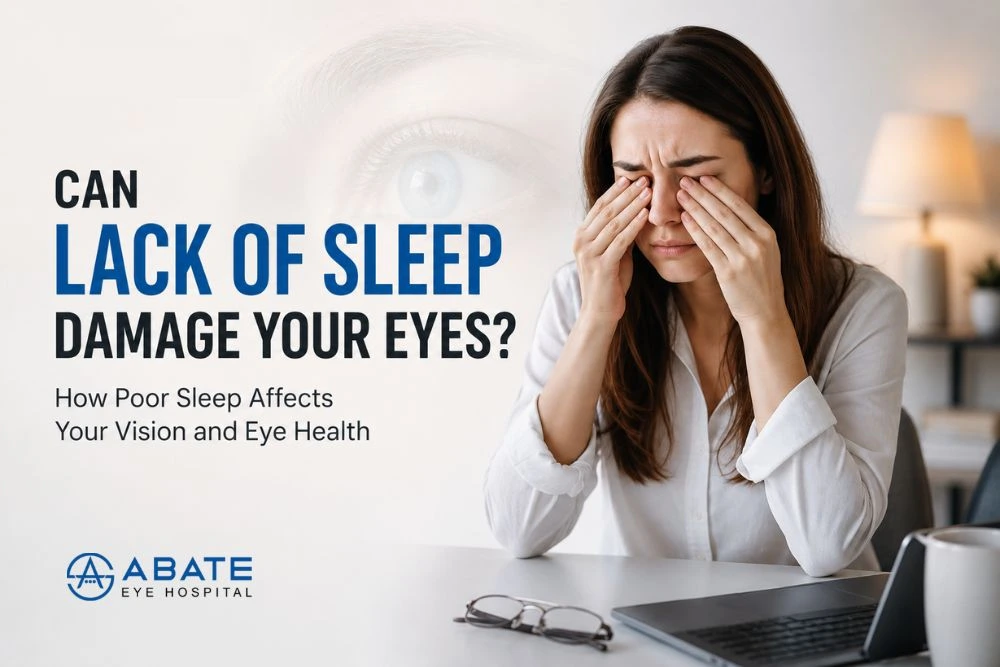
Sleep is essential for maintaining good overall health, including healthy eyes and clear vision. During sleep, your eyes recover from daily strain, remain lubricated, and undergo important repair processes. However, many people regularly sacrifice sleep because of work, screen time, or busy lifestyles, often overlooking the impact it can have on their eyes.
While one sleepless night may only cause temporary discomfort, chronic sleep deprivation can contribute to dry eyes, blurred vision, eye twitching, digital eye strain, and reduced visual comfort. Over time, poor sleep habits may also worsen certain underlying eye conditions.
This guide explains how lack of sleep affects your eyes, common symptoms, potential long-term effects, and practical tips to protect your vision.
Yes, lack of sleep can affect your eye health. Although it may not directly cause permanent vision loss in most people, insufficient sleep can interfere with the normal functioning and recovery of your eyes.
When you don't get enough rest, your eyes may not produce enough tears, eye muscles may become fatigued, and the surface of the eyes may become irritated. Chronic sleep deprivation can also worsen existing eye conditions and negatively impact overall visual performance. If you experience frequent eye strain, blurry vision, or other vision problems caused by poor sleep, consulting an experienced eye specialist in Kerala can help identify the underlying cause before it affects your daily life.
Just as the rest of your body recovers during sleep, your eyes also need adequate rest.
During sleep:
Without sufficient sleep, these natural recovery processes become less effective.
Sleep deprivation can cause several noticeable eye symptoms.
One of the most common signs is redness. Reduced sleep may cause blood vessels on the eye's surface to become more visible, making the eyes appear tired and irritated.
Poor sleep can reduce tear quality and stability, leading to dry eye symptoms.
You may experience:
People who spend long hours on digital devices may notice these symptoms more often.
Lack of sleep can temporarily affect focusing ability, making vision appear blurry or less sharp.
This usually improves after getting adequate rest, but persistent blurry vision should be evaluated by an eye specialist.
Eyelid twitching (myokymia) is commonly linked to:
Although harmless in most cases, persistent twitching should be examined by a doctor.
Tired eyes are more likely to become strained after prolonged reading, computer work, or driving when you haven't had enough sleep.
Symptoms include:
Sleep deprivation can increase sensitivity to bright lights, making outdoor activities and screen use uncomfortable.
Yes. Insufficient sleep can temporarily affect vision in several ways.
Possible symptoms include:
These changes usually improve after proper rest.
Yes.
Although dark circles are often cosmetic, they commonly become more noticeable after inadequate sleep.
Lack of sleep may also cause:
These changes usually improve with healthy sleep habits.
Sleep deprivation alone does not directly cause major eye diseases, but long-term poor sleep may increase the risk of complications associated with several conditions.
Research suggests poor sleep may influence:
People with existing eye diseases should prioritise healthy sleep as part of their overall eye care routine.
Yes.
People who wear contact lenses may notice increased discomfort after poor sleep.
Symptoms may include:
If your eyes feel uncomfortable, avoid wearing contact lenses for extended periods and consult your eye doctor if symptoms persist.
Many people who sleep less also spend long hours using smartphones, tablets, or computers.
This combination increases the risk of:
Reducing screen exposure before bedtime may improve both sleep quality and eye comfort. At a leading Malappuram eye hospital, ophthalmologists use advanced diagnostic technology to assess eye health and determine whether your symptoms are related to sleep deprivation or another eye condition. A detailed examination helps create the most appropriate treatment plan.
Sleep-related eye problems are more common among:
Maintaining a consistent sleep schedule can help reduce these symptoms.
Healthy habits can reduce the impact of poor sleep on your eyes.
Most adults need 7–9 hours of quality sleep each night to support overall health and eye recovery.
During screen use:
This helps reduce digital eye strain.
Proper hydration supports healthy tear production and reduces dry eye symptoms.
Reducing digital device use one to two hours before sleeping may improve sleep quality and reduce eye fatigue.
Conscious blinking helps spread tears evenly across the eye surface, reducing dryness during prolonged screen use.
Include foods rich in:
These nutrients support healthy vision.
Consult an ophthalmologist if you experience:
Not all vision problems are related to lack of sleep. A comprehensive eye examination can identify underlying eye conditions that require treatment. If symptoms such as blurred vision, persistent dry eyes, eye pain, or sudden vision changes continue despite getting enough rest, it is important to visit a trusted eye hospital in Kozhikode like Abate for a comprehensive eye examination. Early diagnosis helps detect underlying eye conditions and ensures timely treatment.
Your eye doctor may perform:
These tests help determine whether symptoms are caused by sleep deprivation or another eye condition.
Routine eye examinations help detect eye problems before symptoms become severe.
Regular checkups can identify:
Early diagnosis supports better long-term vision.
At Abate Eye Hospital, experienced ophthalmologists provide comprehensive eye examinations to identify the cause of symptoms such as blurred vision, eye strain, redness, dry eyes, and other vision-related concerns. Using advanced diagnostic technology, the team offers personalised treatment plans to help maintain healthy vision.
The hospital provides:
Whether you are looking for an eye specialist in Kerala, an advanced eye care hospital in Kannur, a trusted eye hospital in Kozhikode, or the best eye care in Chennai, Abate Eye Hospital provides comprehensive eye examinations, experienced ophthalmologists, and modern diagnostic technology. With branches across Kerala and Chennai, patients receive personalised care for a wide range of eye conditions, from routine vision checks to advanced surgical treatments.
Lack of sleep may not permanently damage your eyes in most cases, but it can significantly affect eye comfort and visual performance. Symptoms such as redness, dry eyes, blurred vision, eye twitching, and eye strain are common signs that your eyes need adequate rest.
Making sleep a priority, limiting screen time, staying hydrated, and scheduling regular eye examinations can help protect your vision. If your symptoms persist despite getting enough sleep, consult an experienced ophthalmologist for a thorough evaluation.
Occasional sleep loss usually causes temporary symptoms. However, chronic sleep deprivation may worsen existing eye conditions and should not be ignored.
Sleep deprivation can temporarily affect tear production, eye muscle function, and focusing ability, leading to blurred vision.
Yes. Poor sleep can reduce tear stability and increase dryness, irritation, and discomfort.
Most adults should aim for 7 to 9 hours of quality sleep each night to support healthy eyes and overall well-being.
If you experience persistent blurred vision, eye pain, severe dryness, or sudden changes in vision, schedule a comprehensive eye examination as soon as possible.

Oct 19, 2026

Oct 17, 2026