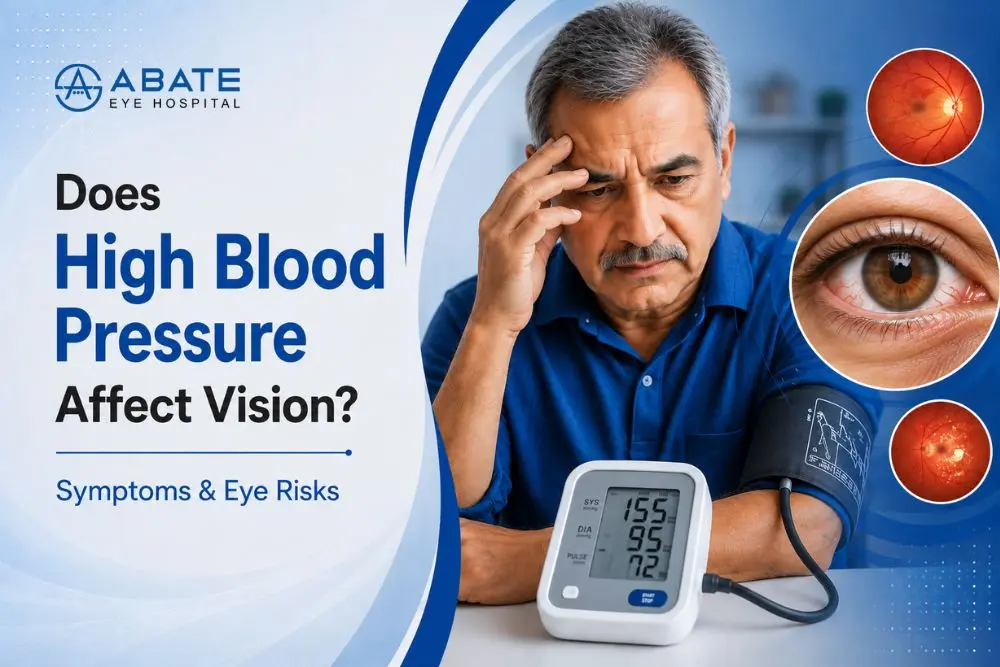
Hypertension, commonly known as high blood pressure, is an ailment suffered by millions of people around the world. While many people know that uncontrolled blood pressure can increase the risk of heart disease and stroke, fewer realise that it can also have a significant impact on eye health and vision.
Persistent high blood pressure can damage the tiny blood vessels in the retina, optic nerve, and other parts of the eye. If left untreated, these changes may lead to blurred vision, retinal damage, or even permanent vision loss. Fortunately, regular eye examinations and proper blood pressure management can help reduce these risks.
In this guide, you'll learn how high blood pressure affects vision, the symptoms to watch for, treatment options, and ways to protect your eyesight.
Yes. High blood pressure can affect your vision by damaging the delicate blood vessels that supply oxygen and nutrients to your eyes.
When blood pressure remains elevated for a long time, it places extra stress on these blood vessels. Over time, they may become narrowed, leak fluid, or even rupture, affecting the retina and optic nerve.
The risk is higher in people who have:
The eyes depend on healthy blood circulation for clear vision.
When hypertension damages blood vessels, several eye conditions may develop.
Hypertensive retinopathy occurs when high blood pressure damages the blood vessels of the retina.
The retina is the part of the eye that changes light into nerve signals understood by the brain.
Symptoms may include:
Early stages may not produce noticeable symptoms, making routine eye examinations extremely important.
Severely elevated blood pressure may reduce blood flow to the optic nerve.
This condition can result in:
Prompt medical attention is essential.
The choroid is the layer of blood vessels beneath the retina.
High blood pressure may cause fluid to accumulate under the retina, leading to:
This condition is more common in younger individuals with sudden spikes in blood pressure.
Hypertension increases the risk of blocked retinal blood vessels.
This can cause:
Retinal vascular occlusions require urgent evaluation by a retina specialist.
Not everyone experiences symptoms immediately.
However, possible warning signs include:
Seek immediate medical attention if you notice sudden changes in your eyesight.
Yes.
Blurred vision is one of the most common eye-related symptoms of uncontrolled hypertension.
It may occur because:
Blurred vision should never be ignored, especially in individuals with high blood pressure.
Yes.
If hypertension remains uncontrolled for years, damage to the retina or optic nerve may become permanent.
However, early diagnosis and proper treatment can significantly reduce the risk of long-term vision impairment.
The risk of hypertension-related eye disease increases if you:
Regular eye examinations become increasingly important for these individuals.
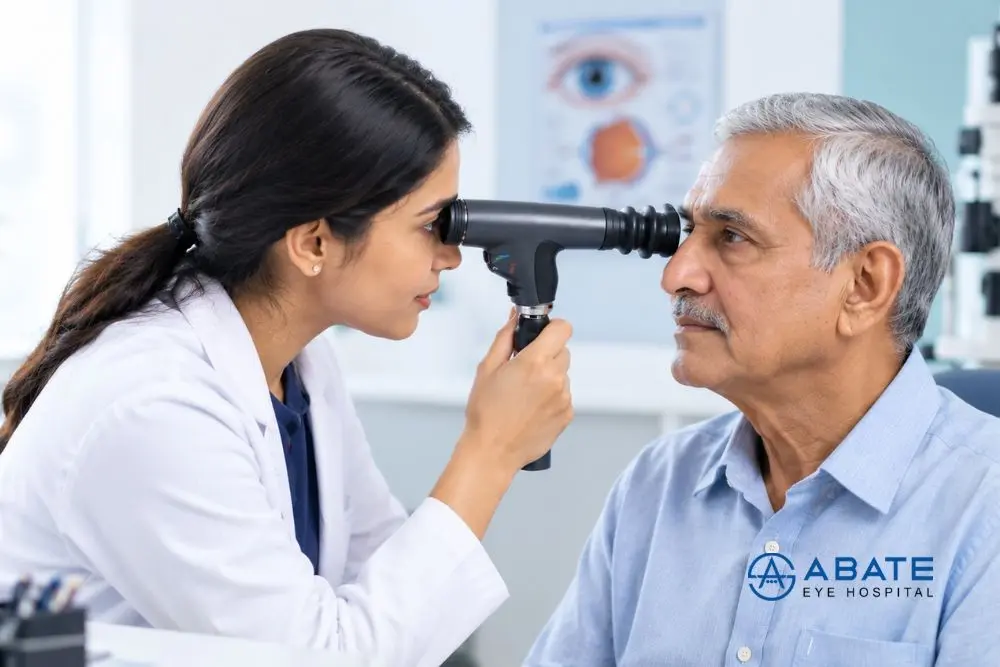
Eye specialists perform a comprehensive eye examination to identify changes caused by high blood pressure.
Diagnostic tests may include:
These tests help detect retinal damage at an early stage.
In many cases, yes.
If retinal damage is detected early, controlling blood pressure may improve symptoms and prevent further damage.
However, severe or long-standing damage may not be fully reversible.
That's why early intervention is essential.
Treatment focuses on controlling the underlying blood pressure while managing any eye complications.
Your treatment plan may include:
Your ophthalmologist and physician often work together to provide comprehensive care.
Healthy lifestyle choices help protect both your heart and your eyes.
Follow your doctor's advice regarding medications and lifestyle modifications.
Choose foods rich in:
Limit salt intake to help control blood pressure.
Physical activity helps maintain healthy blood pressure and improves circulation.
Smoking further damages blood vessels and increases the risk of retinal disease. To learn more about how smoking affects eyesight, you can read our blog.
If you have diabetes, maintaining healthy blood sugar levels helps protect your retina.
Comprehensive eye examinations can detect retinal damage before symptoms become severe.
Consult an ophthalmologist immediately if you experience:
Prompt treatment can help preserve your vision.
Many hypertension-related eye conditions develop silently.
Routine eye examinations allow doctors to detect:
Early diagnosis improves treatment outcomes.
High blood pressure can affect different parts of the eye, especially the retina and optic nerve, making timely evaluation essential. At Abate Eye Hospital, experienced ophthalmologists and retina specialists use advanced diagnostic technology to identify hypertension-related eye changes at an early stage.
Whether you are looking for an eye specialist in Kerala, a trusted eye hospital in Kozhikode, a modern eye care hospital in Kannur, a reliable Malappuram eye hospital, or the best eye care in Chennai, Abate Eye Hospital provides comprehensive eye examinations, advanced retinal imaging, personalized treatment plans, and complete follow-up care. With branches across Kerala and Chennai, patients receive expert care focused on protecting vision and preventing long-term complications.
High blood pressure does more than affect your heart; it can also have serious consequences for your eyesight. Left uncontrolled, hypertension may damage the retina, optic nerve, and blood vessels in the eye, leading to blurred vision or even permanent vision loss.
The good news is that these complications can often be prevented through regular health checkups, proper blood pressure management, and routine eye examinations. If you have hypertension or notice any changes in your vision, don't delay seeking professional eye care. Early diagnosis and treatment play a crucial role in preserving healthy vision.
Yes. Uncontrolled high blood pressure can damage the retina and optic nerve, potentially causing permanent vision loss if left untreated.
Early signs may include blurred vision, headaches, reduced vision, floaters, or no symptoms at all. Regular eye examinations can detect changes before vision is affected.
If eye damage is diagnosed early, controlling blood pressure may improve symptoms and prevent further vision loss. However, severe damage may not be fully reversible.
No. However, the risk increases if blood pressure remains uncontrolled for a long period or if you also have diabetes, high cholesterol, or other vascular conditions.
People with hypertension should have comprehensive eye examinations at least once a year, or more frequently if recommended by their ophthalmologist.