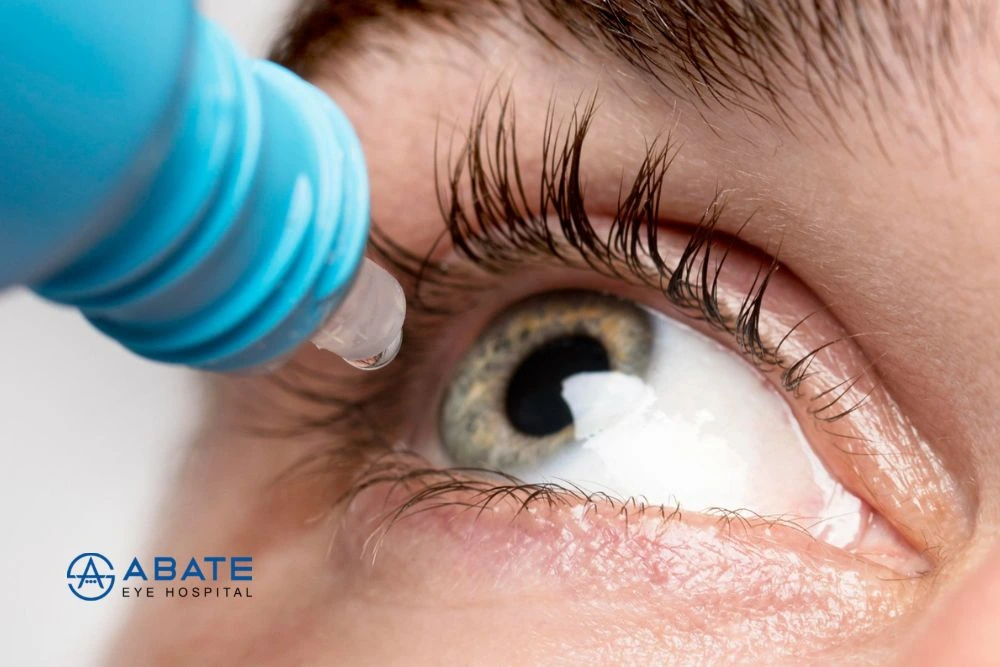
Dry, irritated eyes are one of the most common eye complaints today. Long hours on digital screens, air-conditioned environments, pollution, aging, and certain medical conditions can all reduce natural tear production. Artificial tears offer a safe and effective way to relieve dryness, discomfort, and irritation while protecting the surface of the eyes.
Though they may seem like simple eye drops, artificial tears play an important role in maintaining eye health and visual comfort.
Artificial tears are lubricating eye drops designed to supplement natural tears. They help keep the eyes moist, reduce irritation, and maintain a healthy tear film. Unlike medicated eye drops, artificial tears are primarily used to hydrate and soothe the eyes rather than treat infections or inflammation.
They mimic natural tears by providing lubrication and moisture to the outer surface of the eye (cornea), which is essential for clear vision and comfort.
Natural tears perform several vital functions:
When tear production decreases or tear quality becomes poor, it can lead to dry eye syndrome a condition that causes discomfort and visual disturbances.
Artificial tears are commonly recommended when patients experience:
If left untreated, chronic dry eyes can affect daily activities such as reading, driving, or working on screens.
There are different types of artificial tears available, and the choice depends on the severity and cause of dryness.
These are suitable for occasional use. Preservatives help prevent contamination but may cause irritation if used frequently.
These are recommended for moderate to severe dry eye or frequent daily use. They are gentler on the eyes and ideal for sensitive patients.
Thicker formulations provide longer-lasting relief and are often used at night for severe dryness.
These help stabilize the oily layer of the tear film and are beneficial for patients with evaporative dry eye.
An eye specialist can help determine which type is most suitable based on symptoms and examination findings.
Artificial tears are beneficial for:
They are also commonly recommended after procedures like LASIK to support healing and comfort.
For best results:
Follow the frequency advised by your eye doctor. Overuse without guidance should be avoided.
Artificial tears are generally safe and available over the counter. However, persistent symptoms should not be ignored. Chronic dryness may indicate an underlying eye condition that requires medical evaluation.
If you experience severe pain, vision changes, or worsening redness, consult an ophthalmologist immediately.
Artificial tears are lubricants, not medications. They do not treat infections, allergies, or inflammation. In some cases, doctors may prescribe medicated drops along with artificial tears to manage more complex dry eye conditions.
Using the right product for the right problem is essential for effective relief.
While mild dryness can be managed with artificial tears, professional evaluation is necessary if:
A detailed eye examination can identify the root cause and guide appropriate treatment.
Abate Eye Hospital, the best eye hospital in Kerala and Chennai, combines experienced ophthalmologists, modern diagnostic technology, and personalised treatment plans. Patients receive careful evaluation before any recommendation is made. The goal is not only to relieve symptoms but also to address the underlying cause of dryness.
With a patient-centred approach and advanced eye care expertise, Abate Eye Hospital provides effective solutions for dry eye management, including the safe and guided use of artificial tears.
Artificial tears are often the first step in dry eye management, but they may be part of a broader treatment plan. Advanced care may include tear film analysis, eyelid hygiene treatment, lifestyle adjustments, or specialised procedures, depending on the severity of the condition.
Early diagnosis and personalised care can prevent long-term complications and improve overall eye comfort.
Artificial tears are a simple yet highly effective solution for relieving dry, irritated eyes. By restoring moisture and supporting the natural tear film, they help maintain comfort, clarity, and eye health. However, persistent dryness should always be evaluated by an eye specialist to rule out underlying conditions.
Proper guidance and timely care ensure that your eyes remain healthy, comfortable, and protected in today’s demanding visual environment.

Oct 17, 2026
Oct 8, 2026