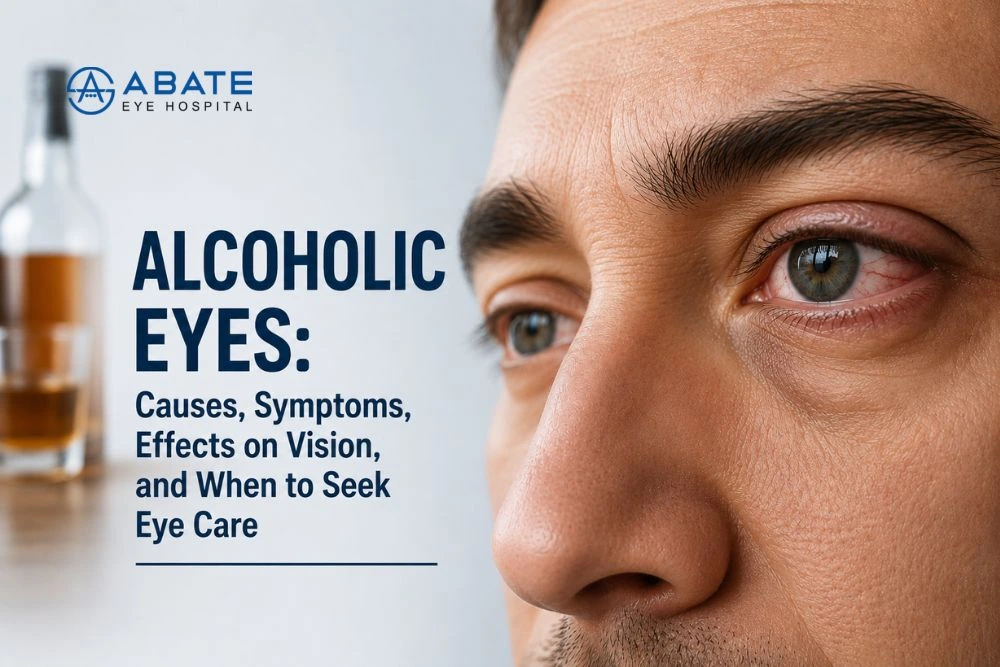
The effects of alcohol are widespread on several body parts, such as the eyes. While occasional alcohol consumption may cause temporary changes in vision, long-term or excessive alcohol use can significantly impact eye health and visual function. Many people notice symptoms such as red eyes, bloodshot eyes, puffy eyelids, blurred vision, or dry eyes after drinking alcohol. Such symptoms have been labelled "alcoholic eyes."
Although some eye changes may disappear after the effects of alcohol wear off, repeated or heavy alcohol consumption can contribute to more serious eye and vision problems over time. Understanding how alcohol affects the eyes can help individuals recognize warning signs and take steps to protect their vision. Reducing or stopping alcohol consumption is the most effective way to improve alcoholic eyes and prevent further damage to eye health and vision. You can consult an eye specialist in Kerala or Chennai at Abate for a better opinion.
This complete guide explains the causes, symptoms, effects, treatment options, and prevention tips related to alcoholic eyes.
The term alcoholic eyes is not a medical diagnosis. Instead, it refers to the visible eye changes and vision-related symptoms that occur due to alcohol consumption. These changes may be temporary after a single drinking session or develop gradually with long-term alcohol use.
Alcohol can affect:
As a result, the eyes may appear red, tired, swollen, or irritated, while vision may become blurry or unstable.
Alcohol can be defined as a depressant that acts upon the central nervous system. It slows communication between the brain and body, including the systems responsible for controlling eye movements and visual processing.
After alcohol consumption, the eyes may experience:
The severity of symptoms often depends on the amount of alcohol consumed and the individual's overall health.
Consumption of alcohol may cause various eye conditions.
These symptoms may appear shortly after drinking and can last until the body fully processes the alcohol.
Another prominent impact that alcohol has on one’s body is eye redness.
Alcohol causes blood vessels to expand, including the tiny blood vessels on the surface of the eyes. It results in reddening or making the eyes bloodshot due to higher levels of blood flowing to the eyes.
Red eyes may become more noticeable after:
Although redness is usually temporary, persistent bloodshot eyes may indicate ongoing irritation or other eye conditions.
Yes. Alcohol can contribute to puffiness around the eyes.
Consumption of alcohol influences the body's fluids, causing dehydration. In response, the body may retain water, resulting in swelling around the eyes and eyelids.
Additional factors include:
Puffy eyes are often most noticeable the morning after alcohol consumption.
Alcohol decreases tear production, which leads to dry eyes.
People may experience:
For those with preexisting dry eye syndrome, alcohol consumption can make their symptoms even worse.
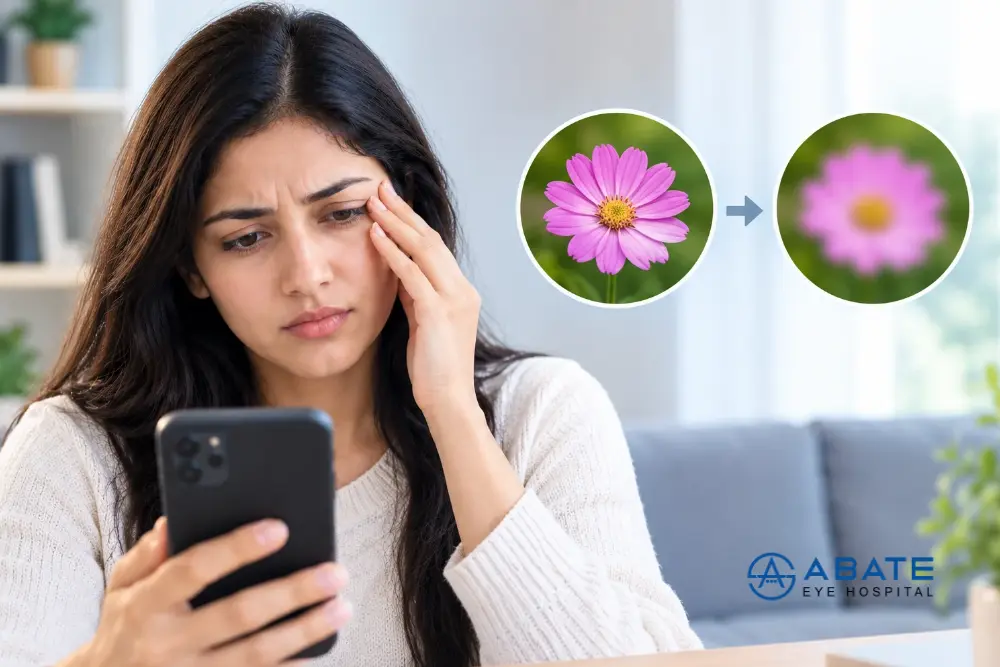
Blurred vision is a common effect of alcohol consumption.
Alcohol affects the brain's ability to process visual information and can interfere with:
This may result in:
Vision usually improves as alcohol leaves the body.
Some individuals experience double vision after consuming large amounts of alcohol.
This occurs because alcohol can temporarily affect the muscles responsible for coordinating eye movements. In cases where the two eyes are not coordinating correctly, double vision may result.
Double vision should not be ignored if it continues after alcohol effects have worn off.
Alcohol might increase the sensitivity of certain people to light.
This can lead to:
Light sensitivity may become more pronounced in people with migraines or existing eye conditions.
While occasional drinking may cause temporary symptoms, chronic alcohol abuse can have more serious consequences.
Excessive alcohol consumption over many years may contribute to nutritional deficiencies that affect the optic nerve.
Damage to the optic nerve can cause:
Heavy alcohol use may reduce the body's ability to absorb important nutrients.
Deficiencies in:
can negatively affect eye and nerve health.
Chronic abuse of alcohol may make an individual more vulnerable to developing certain eye conditions like:
Maintaining overall health plays an important role in protecting vision.
There is evidence indicating that excess intake of alcohol can increase the chances of cataract formation.
Cataracts happen when the normal lens inside one’s eyes gets clouded, resulting in:
While moderate alcohol intake may not directly cause cataracts, long-term heavy consumption may contribute to risk factors.
The retina is the light-sensitive tissue at the back of the eye responsible for vision.
Heavy alcohol use may indirectly affect retinal health through:
People with diabetes should be especially cautious because alcohol can complicate blood sugar control and increase the risk of diabetic retinopathy.
Yes. It’s possible for alcohol to cause eye twitches.
Possible reasons include:
Eye twitching is usually harmless and temporary, but should be evaluated if persistent.
Many people assume alcohol improves sleep, but it often disrupts normal sleep cycles.
Poor sleep may lead to:
Restful sleep is essential for maintaining healthy eyes and vision.
If alcohol-related eye symptoms occur, the following measures may help:
Drink plenty of water before, during, and after alcohol consumption.
Quality rest helps reduce redness, puffiness, and eye fatigue.
Lubricating eye drops may help relieve dryness and irritation.
Reducing alcohol consumption helps minimize eye-related symptoms.
Nutrient-rich foods support both eye health and overall wellness.
Occasional redness or mild dryness after drinking is usually temporary.
However, medical evaluation is recommended if you experience:
These symptoms may indicate an underlying eye condition that requires professional care. You can consult an eye doctor in Chennai or Kerala at Abate Eye Hospital for expert guidance and treatment of alcohol-related eye problems.
Maintaining healthy eyes involves more than avoiding excessive alcohol consumption.
Consistent eye care helps preserve long-term vision.
At Abate, Malappuram Eye Hospital, patients receive comprehensive eye evaluations supported by advanced diagnostic technology and experienced ophthalmologists. Whether symptoms are related to dry eyes, cataracts, retina disorders, glaucoma, or other vision concerns, detailed assessments help identify the underlying cause and guide appropriate treatment.
The hospital provides:
With modern ophthalmic facilities across Kerala and Chennai, patients receive personalized eye care focused on protecting vision and maintaining long-term eye health.
Alcoholic eyes commonly refer to the redness, puffiness, dryness, and visual disturbances that may occur after alcohol consumption. While many symptoms are temporary, excessive or long-term alcohol use can have a lasting impact on eye health and vision.
Understanding the connection between alcohol and eye health allows individuals to recognize warning signs early and take preventive measures. If eye symptoms persist or vision changes become concerning, consulting an eye specialist is important for accurate diagnosis and proper treatment.
Oct 19, 2026
Oct 17, 2026