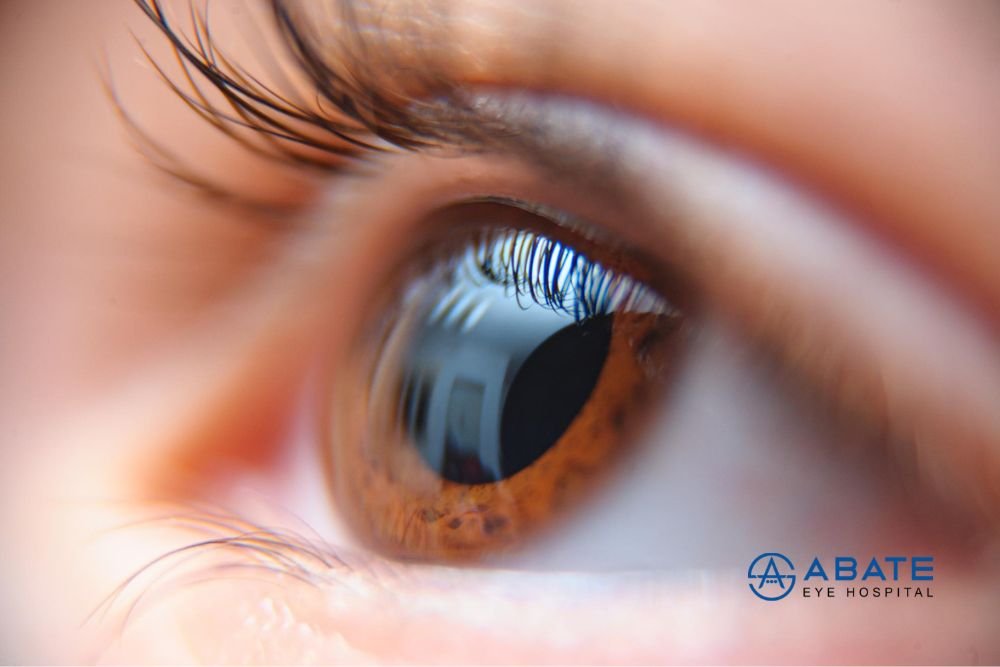
The cornea is one of the most critical structures of the human eye, yet it remains one of the least understood. The transparent front surface of the eye, it plays a central role in vision, protection, and overall ocular health. Even a slight disturbance in corneal structure or clarity can significantly affect how we see the world.
In modern life, the cornea is constantly exposed to stress from prolonged digital screen usage and environmental pollutants, improper eye care habits, and underlying medical conditions. These factors have led to a noticeable rise in corneal disorders, many of which develop gradually and remain unnoticed until vision is affected.
This is why cornea care is not optional; it is essential. A proactive approach to maintaining corneal health can prevent complications, reduce the need for advanced treatments, and preserve visual clarity over the long term.
This comprehensive guide provides an expert-level understanding of cornea care, covering anatomy, function, disease mechanisms, lifestyle impact, diagnostics, treatment strategies, and preventive care.
The cornea is the eye’s primary refractive surface, contributing nearly 65–70% of the eye’s focusing power. It works in coordination with the lens to bend incoming light and focus it onto the retina.
A deeper understanding of corneal layers highlights why damage can have varying consequences.
The outermost layer regenerates rapidly and acts as a barrier. However, repeated injury or dryness can compromise its integrity.
This acellular layer provides strength but does not regenerate if damaged, making injuries here potentially permanent.
Comprising nearly 90% of corneal thickness, the stroma’s highly organized collagen fibers are responsible for transparency. Even slight disruption can cause opacity.
A resilient layer that acts as a protective interface between the stroma and endothelium.
A single layer of cells is responsible for fluid regulation. Unlike other layers, endothelial cells do not regenerate; damage here can lead to corneal oedema and vision loss.
An often overlooked component of cornea care is the tear film. This thin layer covering the cornea has three components:
Disruption in any of these layers leads to dry eye disease, one of the most common corneal conditions.
Understanding how diseases develop helps in both prevention and treatment.
Dry eye is not just discomfort; it is a chronic inflammatory condition affecting the ocular surface.
Mechanism:
Clinical Impact:
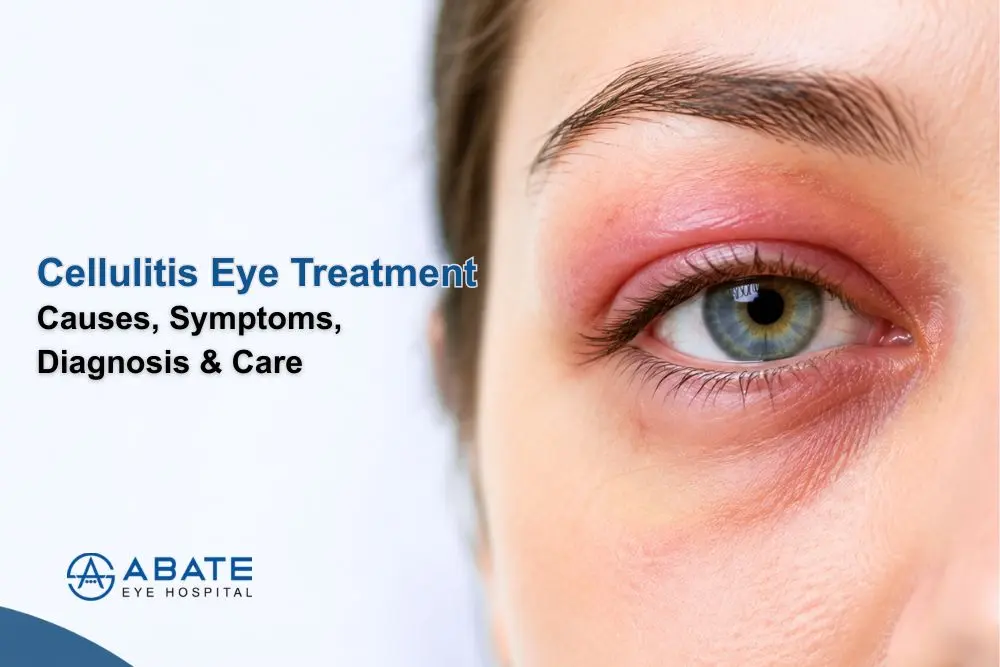
Keratitis can be bacterial, viral, fungal, or parasitic.
High-risk groups:
Pathogenesis:
Microorganisms invade the corneal epithelium, leading to inflammation, ulceration, and potential scarring.
A corneal ulcer represents tissue loss due to infection or inflammation.
Why is it dangerous:
Keratoconus is a progressive ectatic disorder where the cornea becomes thin and cone-shaped.
Underlying factors:
Impact:
These are inherited disorders affecting corneal clarity. They may remain asymptomatic for years before affecting vision.
Modern lifestyle significantly influences corneal integrity.
Reduced blinking during screen use leads to tear film instability and dryness.
Dry air accelerates tear evaporation, contributing to chronic dry eye.
Particles irritate the corneal surface, leading to inflammation.
Prolonged exposure can damage corneal cells and increase the risk of degenerative changes.
Patients often ignore early warning signs, leading to delayed treatment.
Seek evaluation if experiencing:
Modern ophthalmology relies on advanced tools for precise diagnosis.
Provides a magnified view of the corneal layers.
Maps of corneal curvature are essential for detecting keratoconus.
Measures corneal thickness.
Evaluates endothelial cell health.
Assesses the quality and stability of tears.
Treatment depends on severity and underlying cause.
Used in keratoconus to strengthen corneal fibres and halt progression.
Protect the cornea and promote healing.
Used for refractive corrections and surface irregularities.
In advanced cases, the damaged cornea is replaced with donor tissue.
Types include:
Prevention is the most effective strategy.
Nutrition supports cellular function and repair.
At Abate Eye Hospital in Kerala and Chennai, cornea care is approached with a combination of advanced diagnostics, clinical expertise, and patient-focused treatment planning. Each case is evaluated thoroughly to identify underlying causes and determine the most effective treatment approach. At Abate, you will get the cornea specialist in Kerala and Chennai.
The hospital provides comprehensive care ranging from dry eye management to advanced surgical procedures. With access to modern diagnostic systems and experienced specialists, patients receive precise and reliable care tailored to their condition.
With centres across Kerala and Chennai, quality cornea care is accessible, ensuring timely diagnosis and treatment. Like all other branches, Abate's cornea clinic in Calicut is well-known for its treatments.
Maintaining corneal health is not a one-time effort but a continuous process. Patients must adopt a proactive approach by combining healthy habits, regular checkups, and early intervention.
Ignoring minor symptoms can lead to major complications, while timely care can preserve vision effectively.
Cornea care is a fundamental aspect of eye health that directly influences vision quality and long-term ocular stability. With increasing environmental and lifestyle challenges, the importance of proactive corneal care cannot be overstated.
By understanding the structure, recognising early symptoms, adopting preventive strategies, and seeking expert care when needed, it is possible to maintain a healthy cornea and ensure clear vision for years to come.