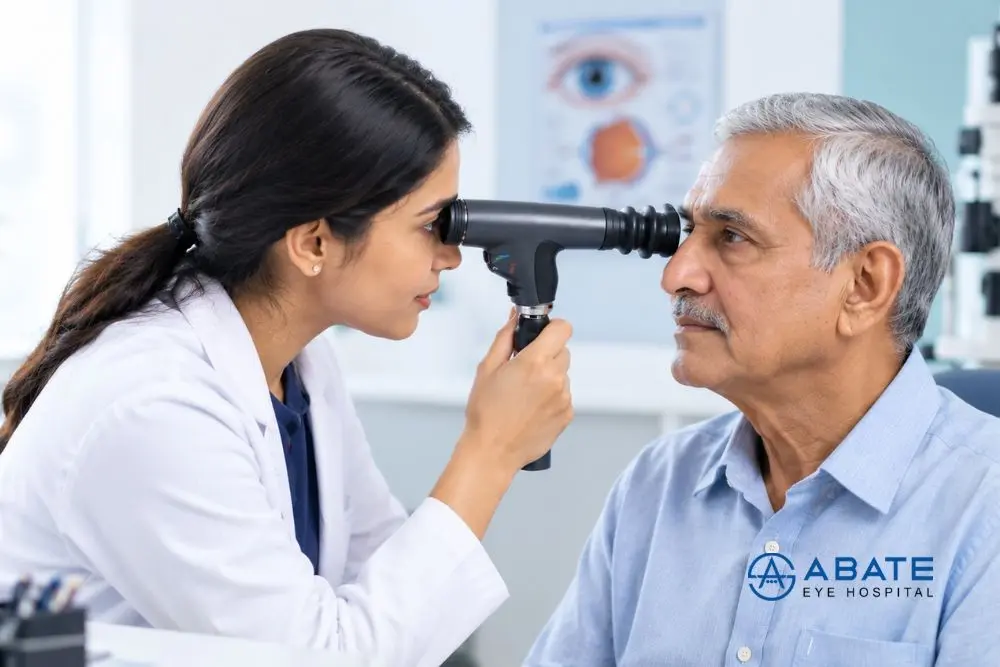
Headaches can occur for many reasons, including stress, lack of sleep, sinus problems, dehydration, and vision-related issues. One lesser-known cause of recurring headaches is cataracts. Many people experiencing blurry vision and eye discomfort often wonder, “Can cataracts cause headaches?”
The answer is yes. In some cases, cataracts can contribute to headaches and eye strain, especially when vision becomes increasingly unclear, and the eyes work harder to focus. Although headaches are not considered the primary symptom of cataracts, visual disturbances caused by cataracts may indirectly lead to discomfort around the eyes and head.
This detailed guide explains how cataracts can cause headaches, common symptoms to watch for, treatment options, and when to consult an eye specialist.
A cataract occurs when the natural lens inside the eye becomes cloudy. Normally, the lens is clear and helps focus light onto the retina for sharp vision. When a cataract develops, the clouding blocks or scatters light, leading to blurry or distorted vision.
Cataracts commonly develop with age, but can also occur due to:
The condition usually progresses gradually over time.
Many people associate cataracts only with blurred vision, but the condition can affect several aspects of eyesight.
As vision becomes more difficult, the eyes may work harder to focus, which can sometimes contribute to headaches.
Cataracts themselves do not directly cause headaches in every patient, but the visual problems associated with cataracts can lead to eye strain and discomfort that may trigger headaches.
When vision becomes blurry or distorted, the eyes continuously attempt to focus more clearly. This extra effort may place stress on the eye muscles and surrounding areas, leading to:
Headaches are more likely when cataracts significantly affect daily visual activities such as reading, driving, computer use, or exposure to bright lights.
The human visual system constantly works to maintain clear focus. Cataracts interfere with this process by blocking light and reducing visual clarity.
This may result in:
These visual adjustments can strain the eyes and surrounding muscles, contributing to headaches.
Many cataract patients become highly sensitive to bright lights and glare.
This may occur because:
Continuous exposure to glare and bright lights can trigger headaches in some individuals.
People with developing cataracts often notice that their glasses prescription changes frequently.
Repeated visual adjustments may:
If glasses no longer provide clear vision despite prescription updates, cataracts may be the underlying cause.
No. Headaches can occur due to many eye and non-eye-related conditions.
Possible causes include:
This is why professional eye evaluation is important when headaches occur alongside vision changes.
You should consider cataract evaluation if headaches occur along with:
These symptoms may indicate that cataracts are affecting visual function.
Certain individuals may be more prone to visual discomfort from cataracts.
The severity of symptoms depends on the stage and type of cataract.
Different cataracts affect vision differently.
Often associated with gradual blurry vision and difficulty seeing distances clearly.
May cause glare, halos, and increased light sensitivity.
Can affect near vision and create significant glare problems, especially in bright environments.
Some types may contribute more strongly to headaches due to visual discomfort.
A detailed eye examination helps determine whether cataracts are contributing to headaches and vision problems.
These tests help identify the severity of cataracts and other possible eye conditions.
In many cases, patients notice reduced eye strain and visual discomfort after cataract surgery.
Modern cataract surgery:
As visual quality improves, headaches associated with eye strain may also improve.
Cataract surgery involves removing the cloudy natural lens and replacing it with an artificial intraocular lens (IOL).
The procedure is:
Most patients experience improved vision after recovery.
Recovery is usually smooth when proper care is followed.
Vision often improves gradually over the following days and weeks.
Consult an eye specialist if you experience:
Early diagnosis helps prevent worsening visual problems. If you are looking to consult an eye specialist in Kerala, Abate is the number one option.
Although ageing-related cataracts cannot always be prevented, healthy habits may support long-term eye health.
Early monitoring allows timely treatment before symptoms become severe.
Many people ignore vision changes until they begin affecting daily activities. Routine eye examinations help detect cataracts and other eye conditions early.
Regular checkups are especially important for:
Early treatment often leads to better outcomes and improved comfort.
At Abate Eye Hospital, cataract care is supported by experienced eye specialists, advanced diagnostic systems, and modern surgical technology. Each patient receives a detailed evaluation and personalised treatment planning based on individual vision needs and eye health conditions.
The hospital focuses on:
With advanced eye care facilities across Kerala and Chennai, patients receive reliable cataract treatment focused on restoring comfortable and clear vision. You can choose Abate Eye Hospital for the cataract surgery in Calicut, Malappuram, Kannur, and Chennai.
So, can cataracts cause headaches? While cataracts may not directly trigger headaches in every patient, the blurry vision, glare sensitivity, and eye strain caused by cataracts can contribute to discomfort and tension headaches. As the eyes work harder to focus through cloudy lenses, visual fatigue may gradually develop.
If headaches occur alongside blurred vision or difficulty seeing clearly, a professional eye examination is important. Early diagnosis and timely cataract treatment can improve visual comfort, reduce eye strain, and restore clearer vision for daily life. Worried about cataract surgery cost in Kerala? Contact Abate Eye Hospital now.